


How Paul Kagame Captured Rwanda’s Pension Fund to Finance the Ruling Party’s US$1.8 Billion Business Empire
By N. Esther Member, Rwanda National Congress (RNC) June 25th, 2026

Rwandan President General Paul Kagame has long cultivated an international reputation as a champion of good governance and anti-corruption. Supporters frequently point to Rwanda’s rankings in global governance indices as evidence of a government that has successfully curbed public graft and strengthened state institutions.
Among Kagame’s most enthusiastic admirers is the American Enterprise Institute (AEI), a Washington-based think tank that has described Rwanda as a model for combating corruption. AEI has gone so far as to suggest that anti-corruption specialists from around the world should travel to Kigali to study what it considers Rwanda’s successful approach to fighting public corruption.
In one remarkable endorsement, AEI argued:
“If the State Department, the U.S. Agency for International Development, and Congress are interested in defeating the scourge of corruption… [they] could facilitate the travel of anti-corruption specialists from other countries to Kigali to learn not only the winning formula, but also to recognize how a no-nonsense approach to public graft increases wealth, peace, and stability for all.”
Yet behind this carefully cultivated reputation lies a troubling question: why has Rwanda’s public pension fund repeatedly financed companies owned by the ruling party itself?
A closer examination of Rwanda’s public investment structures reveals a pattern in which state resources, particularly pension savings, have repeatedly been deployed to support commercial ventures linked to the ruling party, the Rwandan Patriotic Front (RPF).
Recent remarks by Régis Rugemanshuro, Chief Executive Officer of the Rwanda Social Security Board (RSSB), illustrate this concern. Rugemanshuro announced that RSSB is financing several major projects through companies in which it holds investments, including the expansion of Inyange Industries and the modernization of Ruliba Clays.
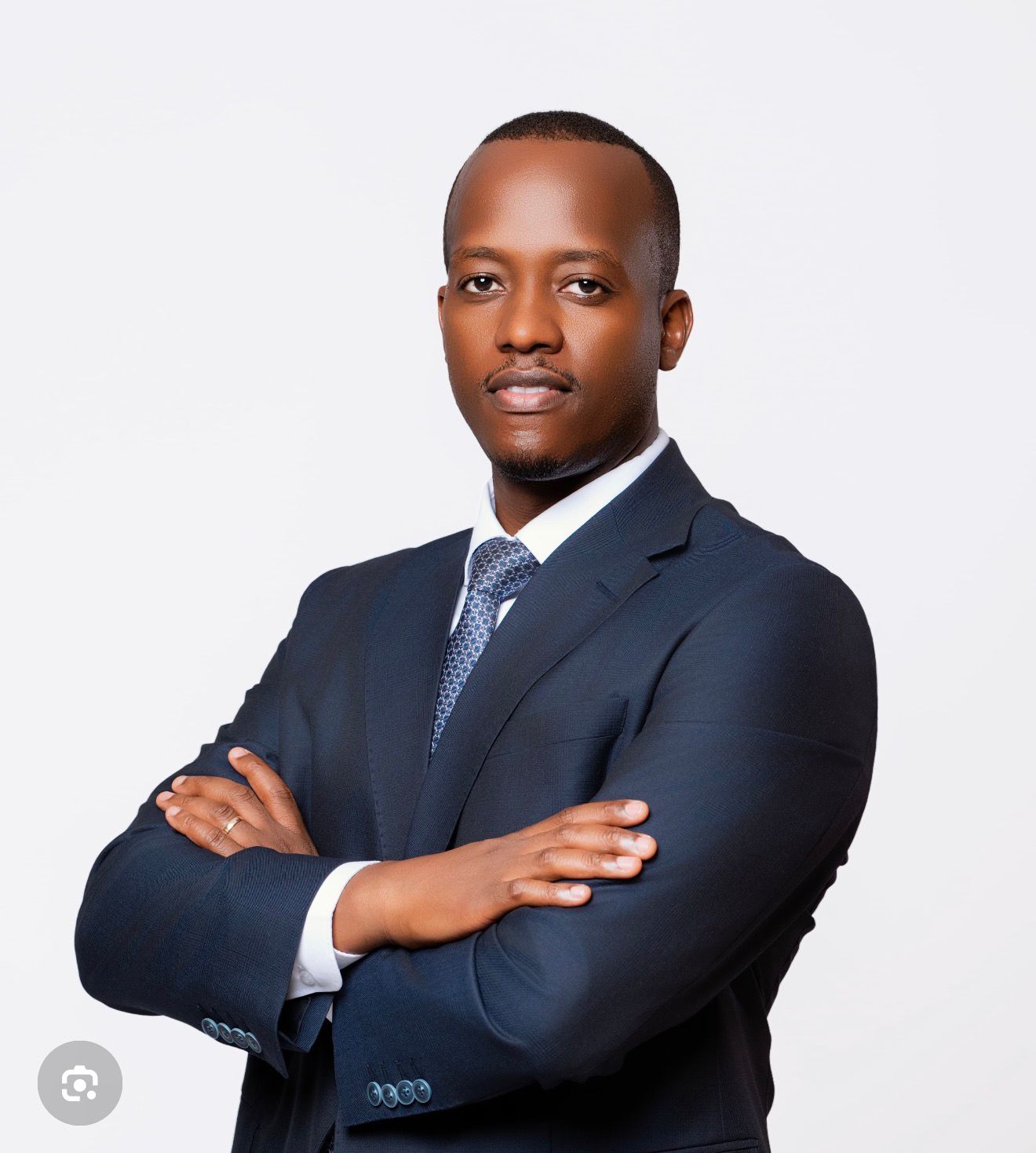
“We have some big projects in the pipeline through our investee companies, like the Inyange milk powder plant, and the upgrade of the Ruliba manufacturing plant.”
James Biseruka of Inyange Industries Ltd disclosed that the company’s milk powder factory will cost an estimated US$45 million. The cost of upgrading Ruliba’s manufacturing plant has not been publicly disclosed.
These investments raise fundamental questions about the relationship between Rwanda’s public pension fund and businesses affiliated with the ruling party.
Inyange Industries and Ruliba Clays are subsidiaries of Crystal Ventures Ltd (CVL), the business conglomerate owned by the RPF. According to publicly available estimates, Crystal Ventures controls assets valued at approximately US$1.8 billion, making it one of the largest business groups in Rwanda. Paul Kagame has served as chairman of the RPF since 1997.
The financing relationship between RSSB and RPF-linked companies is not new. Over the years, Rwanda’s pension fund has participated in financing several Crystal Ventures subsidiaries. Reports indicate that RSSB contributed approximately 50 percent of the capital for East African Granite Industries, 40 percent for Inyange Industries, and 30 percent for Crystal Telecom.
This pattern raises an unavoidable question: should retirement savings contributed by ordinary Rwandan workers be used to finance businesses associated with the country’s ruling political party?
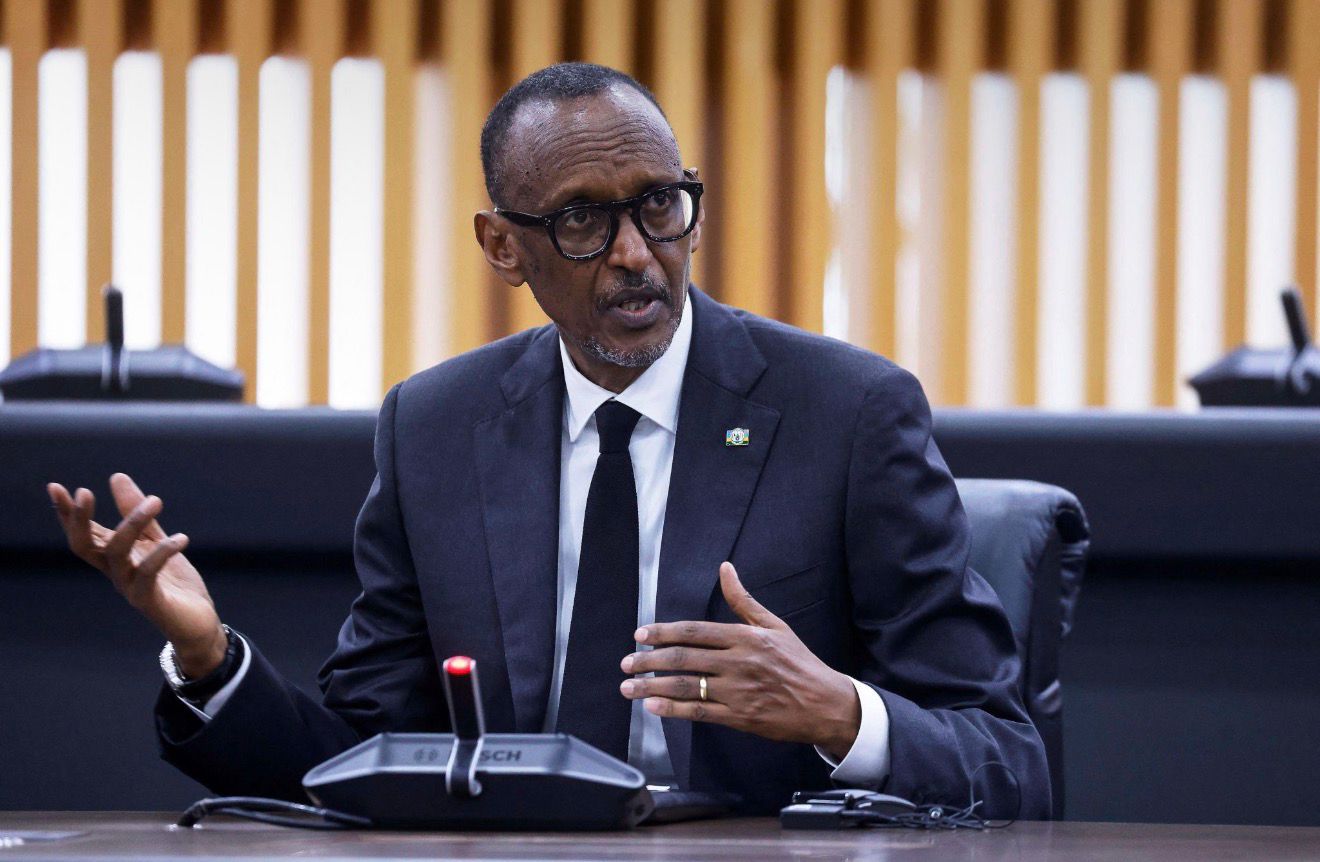
Ironically, the situation appears to fit Kagame’s own definition of corruption. In one of his public statements on governance, Kagame observed:
“Corruption represents the corrosion of societies. It is not just about abusing power to steal public funds. It includes the abuse of power and influence to create double standards and manipulate the perception of truth in favor of those who hold such influence.”
If this standard is applied consistently, the use of public pension resources to support politically connected enterprises deserves serious scrutiny.
The financial performance of RSSB investments further deepens these concerns.
According to the 2022 Auditor General’s Report presented to Parliament, eleven companies in which RSSB had invested approximately Frw 127.78 billion (US$107.4 million) experienced losses amounting to nearly 80 percent of their fair value, representing accumulated losses of approximately Frw 102.04 billion (US$91 million).
The report further noted that only ten equity investments generated dividends, while fourteen equity investments produced no dividend returns during the reporting period.
Equally concerning was the performance of RSSB’s real estate portfolio. Investment properties valued at approximately Frw 414.77 billion (US$353.2 million) generated only Frw 2.28 billion (US$1.9 million) in rental income, raising questions about the efficiency and profitability of these investments.
For a pension institution entrusted with safeguarding the retirement savings of millions of workers, these figures raise serious questions about investment performance, governance, and accountability.
Despite these results, RSSB continues to engage in ambitious investment projects. One recent example is a partnership involving Vivo Energy to facilitate the acquisition of more than 200 electric buses for Kigali’s public transportation system.
While RSSB describes the initiative as part of its investment strategy, questions remain regarding the rationale behind selecting Vivo Energy, a company primarily known for distributing Shell and Engen petroleum products across Africa rather than manufacturing vehicles.
Viewed collectively, these developments point to a broader governance issue that extends beyond individual investment decisions.
Political scientists use the term state capture to describe situations in which governing elites shape public institutions, regulations, and public resources to advance private or political interests. Unlike conventional corruption, state capture operates through formal institutions while redirecting their purpose away from the public interest.
The recurring use of public pension resources to support enterprises linked to the ruling party raises legitimate concerns about whether Rwanda’s pension system has become vulnerable to this phenomenon.
Ultimately, the retirement savings held by RSSB belong not to politicians, political parties, or state-connected business interests, but to millions of Rwandan workers who expect those funds to be managed prudently, transparently, and exclusively in their interest.
Whether the repeated financing of ruling-party enterprises constitutes prudent investment policy, political favoritism, or something more serious is a question that deserves open public debate and independent scrutiny.
As Rwanda continues to grapple with questions of governance, accountability, and economic justice, the management of public pension assets cannot remain beyond examination.
Advocate Ignace Rusagara, Head of Strategy and Legal Expert for the Rwanda National Congress (RNC), argues that under a future RNC government, all wealth determined through due legal process to have been acquired through corruption, abuse of office, or misuse of public resources would be subject to investigation and recovery in accordance with the rule of law.

Rwanda National Congress (RNC)
In his view, the ultimate issue is not whether vast wealth was accumulated during the Kagame era, but whether that wealth can withstand transparent scrutiny before an independent and impartial system of justice.
Ultimately, public pension funds exist to provide security and dignity to workers in retirement—not to advance political or commercial interests. As Rwanda continues to debate its future, ensuring that these assets are managed with transparency, accountability, and fidelity to the public interest will remain one of the defining tests of good governance.