


Kagame’s Desperate $201M Yen Manoeuvre Can’t Hide a $12 Billion Debt Crisis and Currency Collapse—Or His $3.8 Billion Vanity Binge
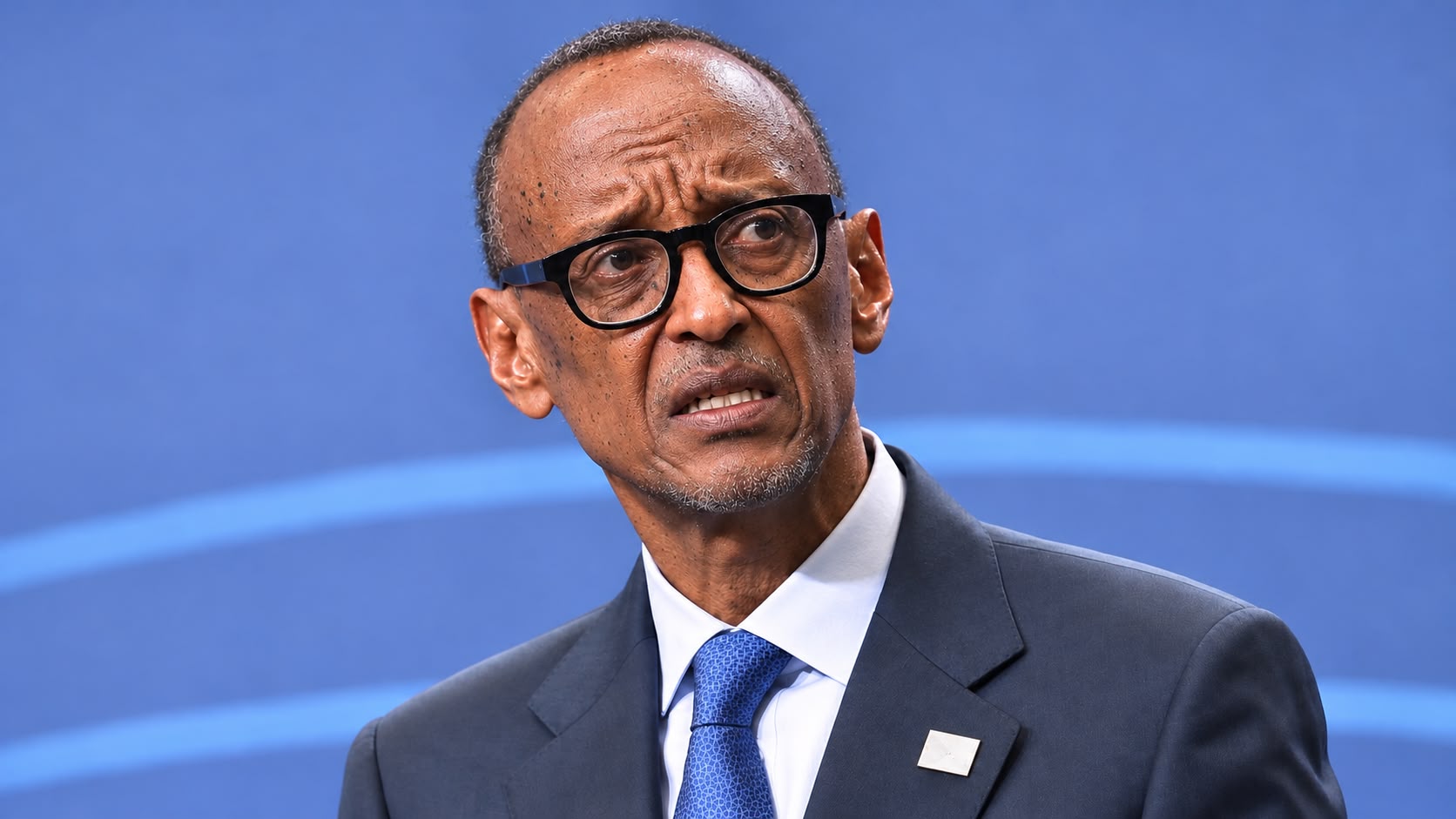
Paul Kagame’s regime has mastered the art of financial theater. The latest act? Making headlines by converting roughly $201 million in World Bank loans ($126 million and €68 million) into Japanese yen, packaged by Kigali’s spin doctors and compliant international bureaucrats as a masterstroke of debt management.
Why the conversion to the yen, you ask. Because the Rwandan Franc has been collapsing at an annual rate of 8.03% against the dollar, 7.2% against the euro and 1.2% against the yen.
Do not fall for the illusion. Converting a sliver of variable-rate debt into yen is pure window dressing—a desperate attempt to mask a collapsing currency and a runaway $12 billion public debt mountain while Kagame continues his reckless borrowing spree for vanity megaprojects.
A Drop in a $12 Billion Ocean
Let us look at the actual arithmetic that Kigali wants you to ignore. According to the Ministry of Finance’s own statistics, Rwanda’s total public and publicly guaranteed debt stands at over $12.17 billion—nearly 70% of the entire economy—with external debt accounting for nearly $10 billion of that burden.
Shifting $201 million from US dollars and euros into yen touches barely 1.6% of Rwanda’s total debt. The $10 billion in external obligations remains heavily exposed to the US dollar, the euro, and IMF Special Drawing Rights. Meanwhile, the Rwandan franc has been losing 8.03% of its value every single year against the dollar $7.2% against the euro. Swapping less than two cents on the dollar into yen does nothing to stop the bleeding when the vast majority of the debt bill keeps inflating every time the franc slides.
Borrowing Billions for Vanity While the Country Bleeds
If Kagame were genuinely concerned about debt sustainability and currency collapse, he would stop digging the hole deeper. Instead, while his finance officials boast about shaving basis points off a $201 million World Bank swap, the regime is barreling ahead with $3.8 billion in prestige projects that ordinary Rwandans will never benefit from:
· The $2.3+ Billion Bugesera Airport Black Hole: Originally pitched as a fraction of its current price tag, the new Kigali International Airport in Bugesera has ballooned into a $2.3 billion to $2.6 billion financial sinkhole. Even with Qatar Airways taking a 60% majority stake—reducing Rwanda to a minority shareholder in its own strategic gateway—Kigali has had to pour hundreds of millions in scarce budget allocations, sovereign guarantees, and fresh loans into an airport for a state airline, RwandAir, that has bled money for decades.
· The $1.5 Billion Formula 1 Mirage: Not content with an overpriced airport, Kagame signed a 10-year deal to bring Formula 1 auto racing to Bugesera. Between building an FIA Grade 1 circuit from scratch, constructing surrounding luxury infrastructure, and paying tens of millions in annual hosting fees, the total price tag of this motorsport vanity project pushes toward $1.5 billion. In a country where the majority of the population lives in multidimensional poverty and basic healthcare and education remain chronically underfunded, Kagame is mortgaging the nation's future so billionaires can race cars 40 kilometers outside Kigali.
Who Pays the Bill?
Financial engineering cannot cure an addiction to debt-fueled propaganda. Converting $201 million into yen will not pay for a $2.3 billion airport, it will not cover the recurring bills of a $1.5 billion Grand Prix, and it will not rescue the Rwandan franc from steady erosion.
Kagame is piling billions onto a $12 billion debt load to buy global headlines and sports-washing spectacles. When the bills come due, it will not be the Formula 1 executives or the foreign consultants paying the price—it will be the Rwandan taxpayer, crushed under austerity, inflation, and a currency in freefall.
Discussion
No comments yet. Be the first to comment.