


Kagame’s Latest Craze: Bringing the Grand Prix to Rwanda—And Why He Never Learns
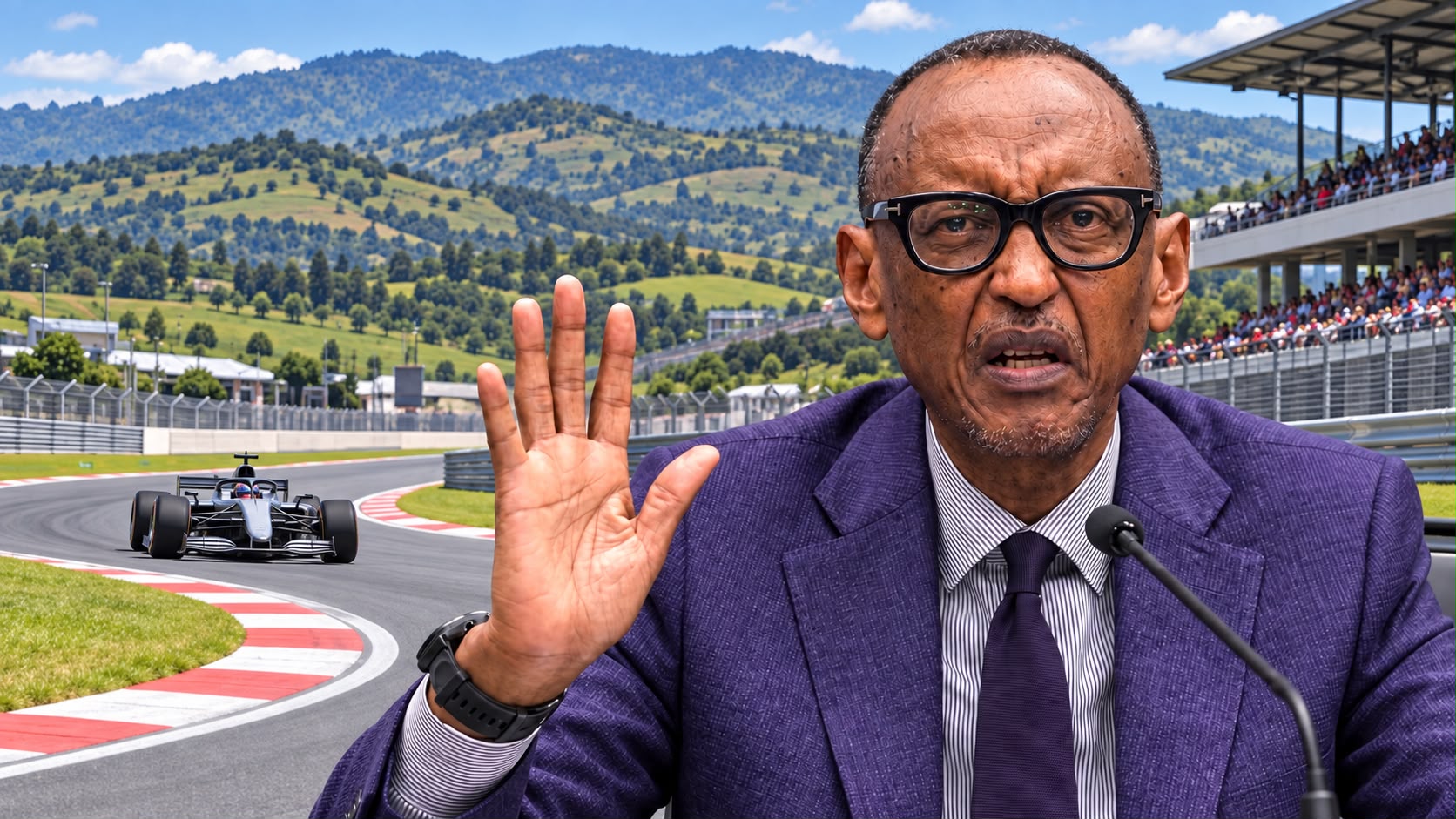
Rwandan President Paul Kagame’s ambitious push to bring elite motorsport back to the continent is materializing, as reports indicate Rwanda has secured an agreement to host a Formula 1 Grand Prix starting in 2030. The move would bring F1 back to Africa for the first time since the 1993 South African Grand Prix at Kyalami. While F1 executives and figures like Lewis Hamilton have long championed an African round, the scale of this project highlights a troubling pattern: Kagame refuses to learn from the heavy financial tolls of past megaprojects.
The $1.2 Billion Gamble
While initial announcements sparked heavy skepticism due to Rwanda's total lack of motorsport infrastructure, the structural blueprints of the country’s high-stakes strategy have solidified:
· The Track: Rather than a street race through Kigali, a purpose-built, permanent circuit is planned near the under-construction Bugesera International Airport, located about 40 kilometres outside the capital.
· The Architect: The track layout is being designed by WurzDesign—founded by former F1 driver Alexander Wurz—in collaboration with renowned track builders Tilke Engineering.
· The Cost: Reports estimate the state-of-the-art circuit and ecosystem development at a staggering $1.2 billion USD megaproject.
A Pattern of Unlearned Lessons
Framed by the administration as a high-return economic engine to boost global branding and tourism revenues, critics point out a far darker reality. Kagame’s obsession with hosting mega-events—and building massive infrastructure to support them—doubles down on an unsustainable strategy that prioritizes international vanity over the economic reality of everyday Rwandans. With the country's broader public debt load climbing past $13 billion USD, international credit firms like Fitch Ratings warn that these massive liabilities are rapidly pushing Rwanda's debt-to-GDP ratio toward a crushing 80% threshold.
This F1 racetrack is just the latest line item on a massive, debt-fueled laundry list of vanity projects:
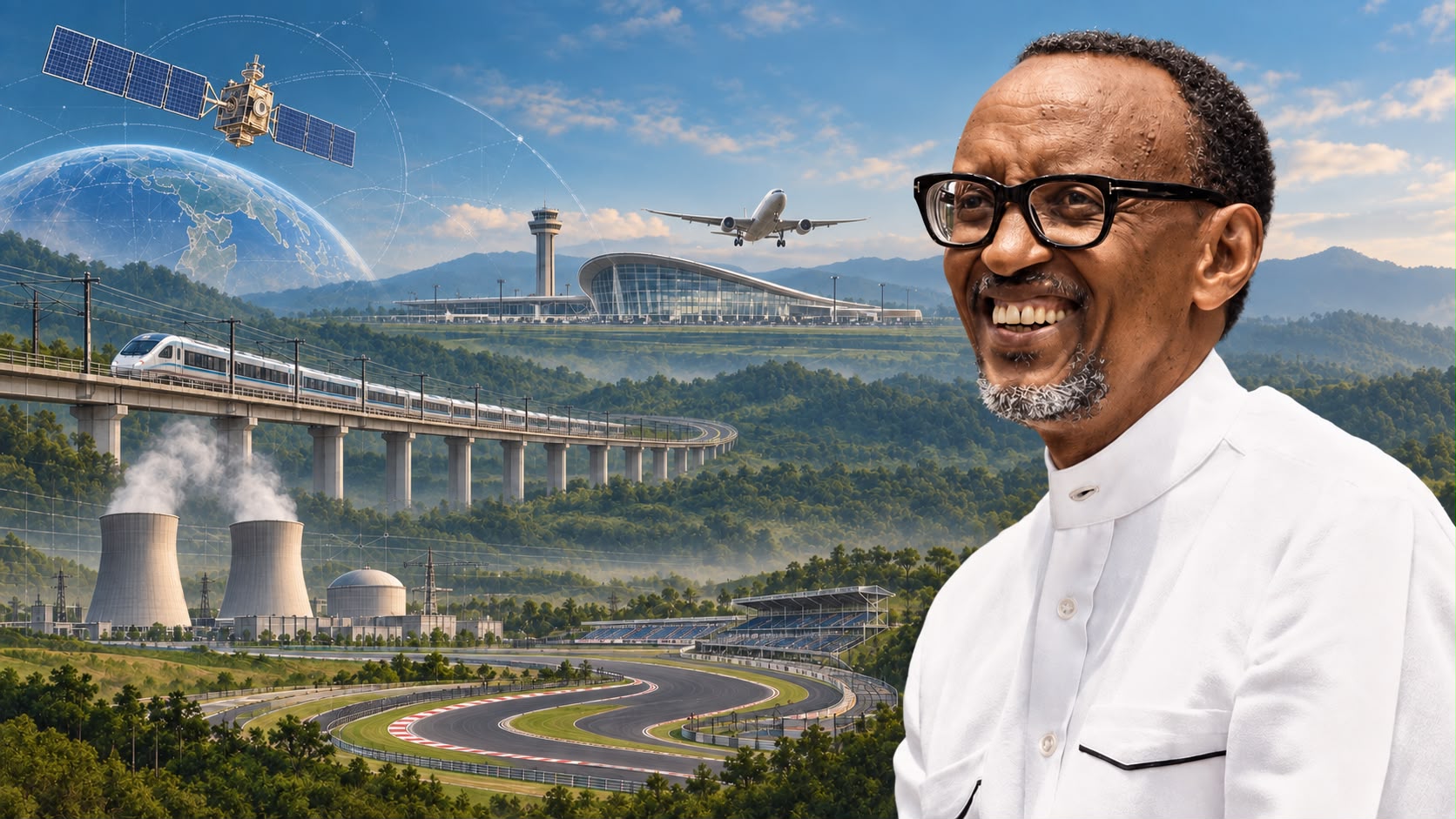
· The $2 Billion New International Airport: The massive Bugesera Airport project is heavily backed by Qatari state capital. However, it severely strains domestic funds and relies entirely on the high-stakes gamble that Kigali will somehow become Africa's next major aviation transit hub.
· The $2 Billion RwandAir Overhaul: A multi-billion dollar aviation expansion aimed at doubling the national carrier's fleet. This massive capital injection comes despite the airline traditionally relying on heavy state subsidies just to survive.
· The $1.2 Billion F1 Racetrack: A project equivalent to a staggering chunk of Rwanda’s annual GDP, leaving critics asking why billions are spent on a sport for billionaires while domestic poverty persists.
· The $100+ Million Sports Arenas: Building world-class facilities like the Kigali Arena to establish a regional sports hub and host NBA Africa events, all while local, grassroots youth sports programs remain drastically underfunded.
· The $40+ Million Soccer Sponsorships: Premium marketing deals with European clubs like Arsenal and Paris Saint-Germain, which have drawn heavy criticism from international donors for spending scarce public funds on wealthy foreign soccer teams.
"Sportswashing" on Overdrive
Kagame appears completely immune to the backlash of his previous financial adventures. Instead of pivoting toward standard domestic infrastructure, education, or healthcare, his administration continues to use sports to gloss over human rights records and geopolitical friction. Neighboring nations have even alleged that these multi-million dollar vanity pursuits are indirectly funded by exploiting regional conflicts.
By locking down the 2030 slot, Rwanda appears to have outpaced rival African bids from historic tracks like Kyalami in South Africa and street circuits in Cape Town. But as the country prepares to sink unprecedented capital into the soil of Bugesera, it stands as the ultimate monument to a leader who equates international prestige with economic success—and refuses to learn from the balance sheet.
Discussion
No comments yet. Be the first to comment.