


Nairobi and Kinshasa Just Sealed Kagame’s Regional Isolation
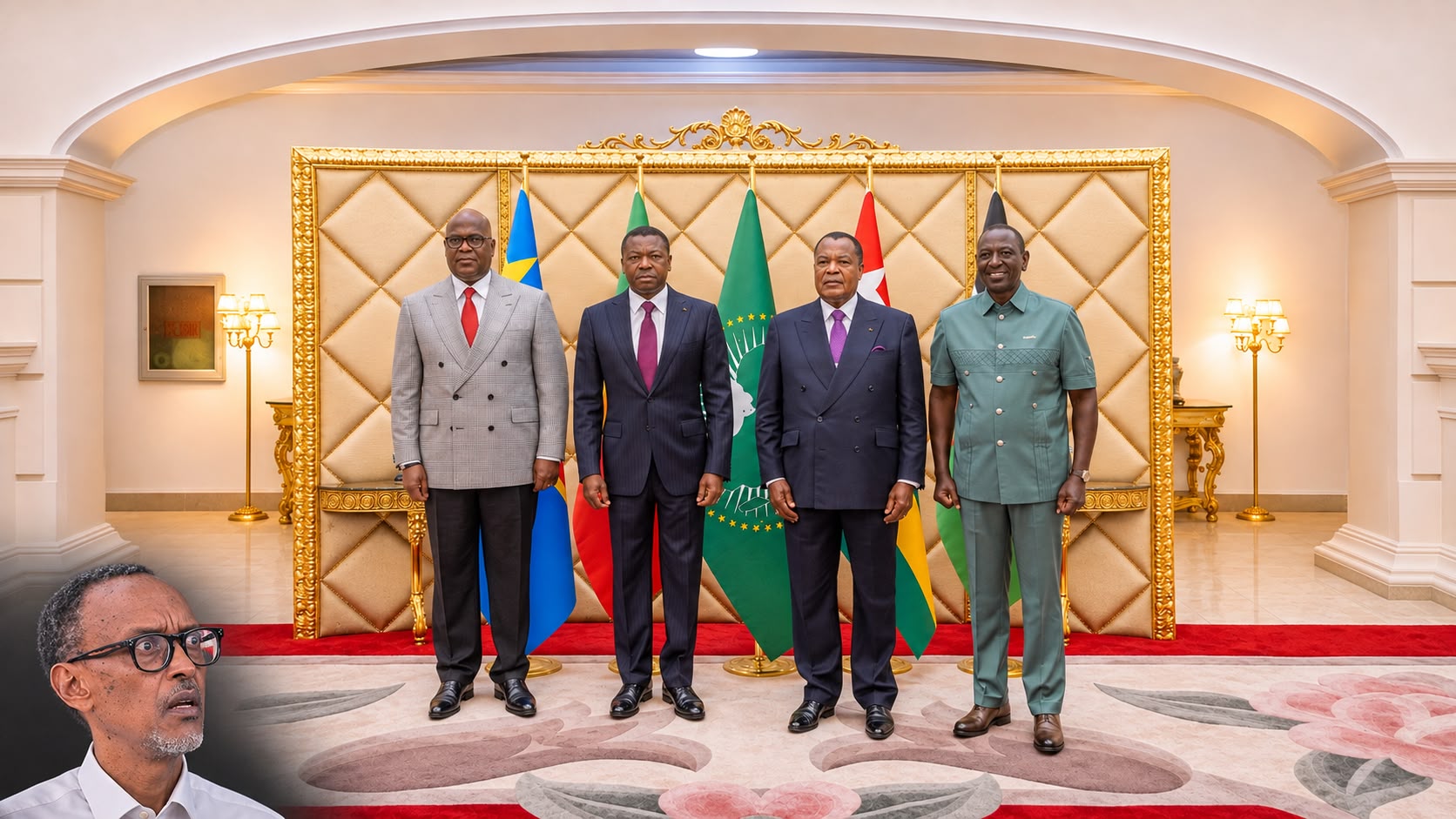
Paul Kagame’s regional strongman act is running out of road. For years, Kigali operated on the arrogant assumption that it could bleed eastern Congo dry through proxy militias while keeping East Africa’s power brokers either paralyzed or complicit. That delusion just suffered another humiliating blow.
In Oyo, Republic of the Congo, Democratic Republic of the Congo (DRC) President Félix Tshisekedi and Kenyan President William Ruto buried a bitter four-year feud and agreed to restore full diplomatic ties. Kigali’s deafening silence since the summit says everything. Step by step, capital by capital, Kinshasa is strangling Rwanda’s regional leverage and exposing the regime for what it has become: an isolated spoiler whose usefulness to its neighbors has expired.
Here is how the Oyo pact demolishes what is left of Kigali’s regional relevance.
1. Nairobi Just Pulled the Plug on Kigali’s Diplomatic Cover
At the peak of the Nairobi–Kinshasa freeze, Kagame enjoyed the luxury of Kenya’s diplomatic ambiguity. When Congolese rebels and opposition figures launched the Congo River Alliance (AFC) in Nairobi, and when Ruto dismissed Kinshasa’s warnings about Rwandan aggression as an "internal Congolese matter," Kigali looked untouchable inside the East African Community (EAC).
The Oyo summit rips that safety net away. By sitting under African Union mediation and agreeing to return ambassadors, Ruto made a cold, unmistakable calculation: Kenya will not torch its strategic future with the DRC to babysit Kigali’s reckless adventurism. Without Nairobi running interference, Rwanda stands stripped of regional cover every time its fingerprints turn up in North Kivu.
2. A Public Slap in the Face Over Sovereignty
Diplomatic statements are written with surgical intent, and the Oyo communiqué reads like a charge sheet against Kagame’s regime. Both Nairobi and Kinshasa pledged strict adherence to "sovereignty, territorial integrity, [and] non-interference in the internal affairs of states."
Those are the exact principles Kigali tramples daily through its backing of the M23/AFC insurgency. By getting Kenya to co-sign that language as the price of renewed friendship, Tshisekedi didn’t merely patch up a quarrel—he locked Nairobi into publicly endorsing Kinshasa’s core red lines against Rwandan meddling.
3. Rwanda Is Being Written Out of East Africa’s Economic Map
The sharpest blow to Kigali isn’t rhetorical—it is financial. For decades, Rwanda sold itself as the indispensable middleman between East and Central Africa. The Oyo agreement—alongside the revival of the Kenya–DRC Joint Grand Commission for Cooperation—accelerates a commercial reality that leaves Kigali begging at the margins.
By building direct trade, security, and infrastructure arteries linking the Port of Mombasa straight to the Congo River basin, East Africa’s largest economy and Central Africa’s resource giant are cutting out the parasite in the middle. When Nairobi and Kinshasa do business directly, Kigali’s ability to extort transit relevance or play regional kingmaker dies on the vine.
The Verdict
Kinshasa refused to blink, refused to legitimize aggression, and outmaneuvered Kigali on the diplomatic chessboard. The message out of Oyo is brutal and clear: the future of Great Lakes trade and security belongs to sovereign states working together—and Rwanda is no longer invited to the table.
Discussion
No comments yet. Be the first to comment.