


The Worst in East Africa: Kagame’s Education Disasters — A National University Building Hotels While Thousands of Children Drop Out of School
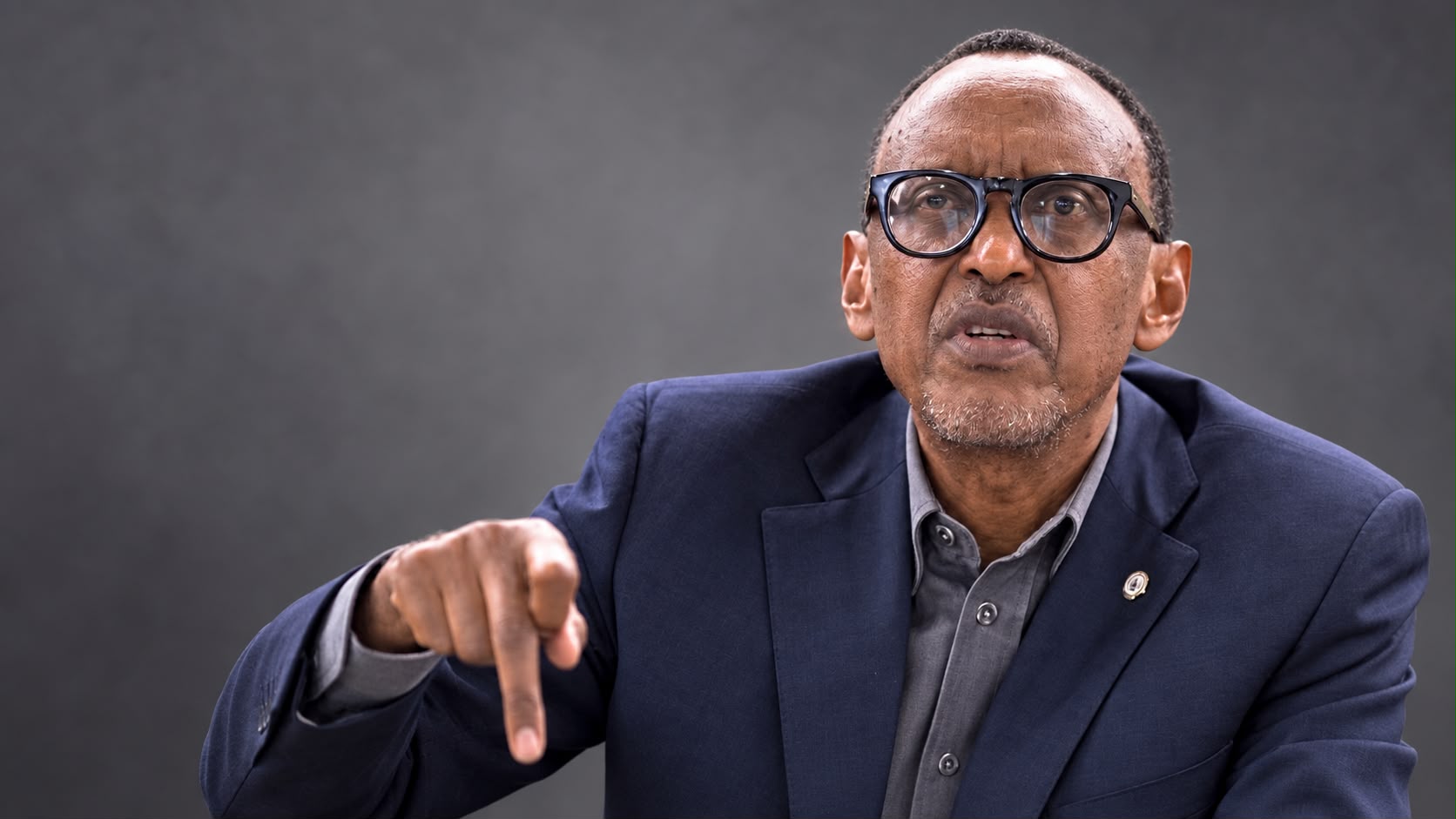
Paul Kagame is a failed leader. Period.
While the international community continues to celebrate Rwanda’s clean streets, security, and carefully curated tech-and-innovation image, a deeper crisis is unfolding. Nowhere is this clearer than in the country’s education system — from primary classrooms to the national university.
The University of Rwanda (UR), the country’s flagship public university, is struggling financially. In an effort to achieve greater self-financing, the institution has turned to commercial projects. One of the most striking examples is its plan to develop a multi-star hotel (ranging from three- to five-star) in Huye. At a time when many lecture halls, laboratories, and research facilities remain under-resourced, a public university is channeling energy and land into luxury hospitality. This is not merely an odd business decision; it is a revealing statement of priorities.
The academic consequences are visible in global rankings. In the latest U.S. News & World Report Best Global Universities rankings, Makerere University in Uganda ranks 23rd in Africa and around 639th globally. The University of Nairobi in Kenya places roughly 35th in Africa. The University of Rwanda sits far lower — around 86th–89th in Africa and between 1,721st and 1,745th worldwide. In the Times Higher Education World University Rankings, Makerere appears in the 801–1,000 band, while the University of Rwanda remains in the lower tiers (1,501+ or 1,801–2,000 depending on the edition). Rwandan graduates are entering a regional job market with degrees that carry limited competitive weight.
Adding to the institutional weakness is the leadership structure. The university’s Chancellor, Patricia Campbell, is an American administrator who is based thousands of miles away. While the day-to-day running of the university falls to the Vice-Chancellor and local leadership, the presence of a remote ceremonial head reinforces a broader pattern: high-profile international appointments and optics often take precedence over grounded, consistent institutional management.
The problems begin much earlier than university. Nearly a month into the 2026/27 academic year, more than 19,000 learners across Rwanda had still not returned to school. In the Western Province alone, 15,993 students remained absent. Official reports cite financial hardship, inability to afford school materials, family difficulties, and the need for children to seek work as the main reasons. Local authorities are conducting home visits and mobilizing parents, but the numbers expose a system under severe economic pressure at the household level.
A government that struggles to keep tens of thousands of children in primary and secondary classrooms, while its national university invests in hotel projects and ranks near the bottom of East African institutions, reveals a profound mismatch between public relations and reality. The clean streets and conference centers are real. So is the educational underperformance. Kagame’s Rwanda has mastered the art of looking successful. Keeping children in school and building a competitive university system has proven far more difficult.
Discussion
No comments yet. Be the first to comment.