


Abandoned by the West, Kagame Turns East: Raffles Family Office Becomes the New Cash Window for Prestige Projects
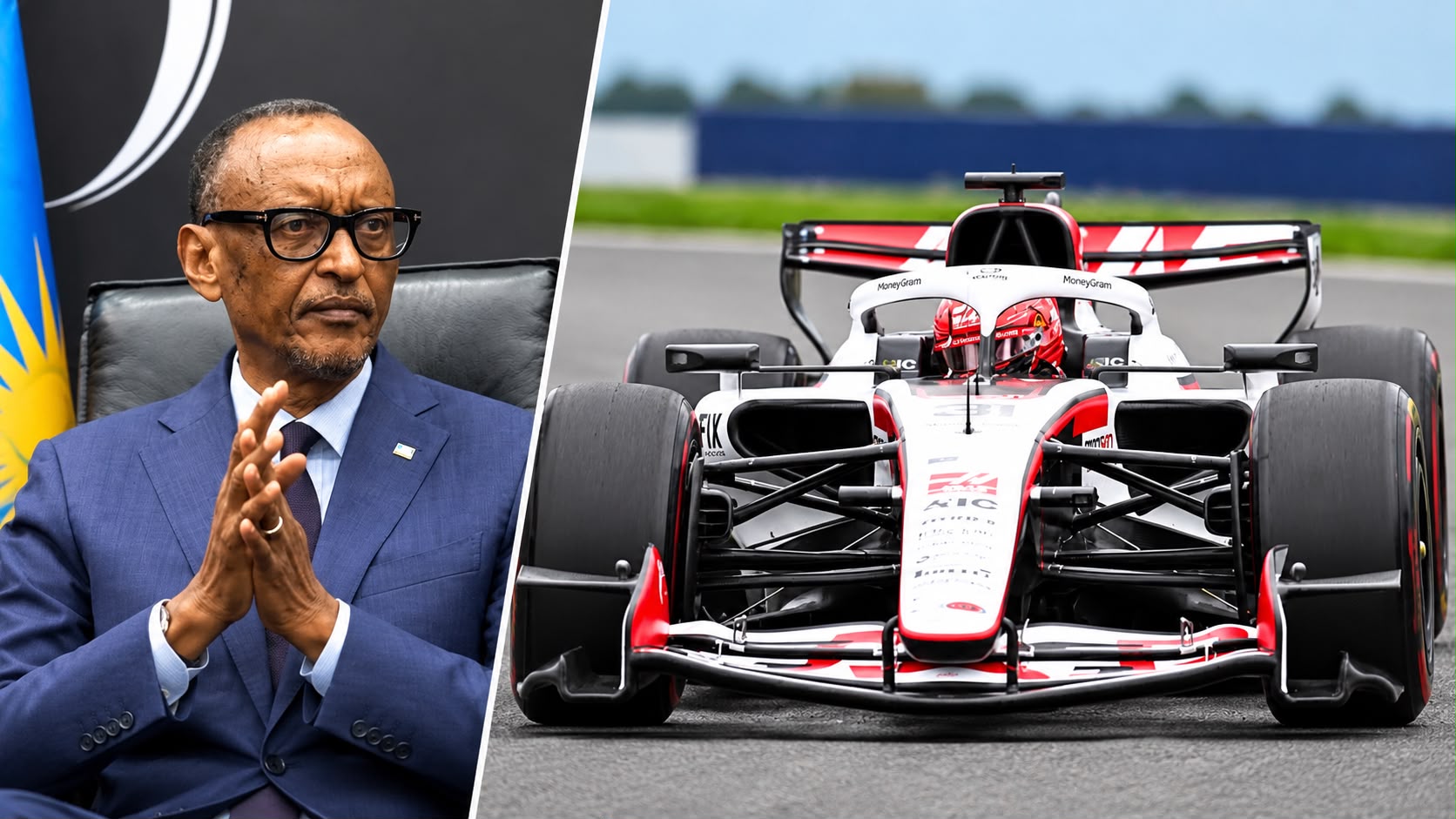
Paul Kagame’s regime has a problem it cannot spin away. Rwanda’s public debt sits near $12.2 billion — 74 percent of GDP. Concessional loans still dominate, but the fiscal room for more heavy state-backed prestige spending is tight. Western donors have grown colder. Traditional grant flows have shrunk. The old model of financing grand projects partly through soft Western money has collapsed.
The solution on offer this week is pure Eastward pragmatism.
Raffles Family Office, the Hong Kong- and Singapore-based multi-family office that serves ultra-high-net-worth clients, has signed a capital mobilisation deal with the Rwanda Development Board. Its job: market Rwandan projects — Airport City, hospitality, tourism, entertainment, real estate, infrastructure — to rich families across Asia and Africa, with the explicit aim of raising hundreds of millions of dollars. Much of the pitch is tied to the new Formula 1 African Grand Prix deal and the surrounding developments near Bugesera.
This is not subtle fundraising. It is a public admission that the old Western-leaning financing channel is no longer sufficient for the scale of ambition Kagame continues to pursue.
The Man in the Middle and the China Pivot
Raffles did not arrive empty-handed. It hired Jean de Dieu Uwihanganye, former Minister of State for Infrastructure and former ambassador, to lead its emerging-markets and Africa-Asia work. Access is the product. A former senior Rwandan official now sits inside the family-office machine that will try to sell Kigali’s projects to private Asian capital.
At the same time, Bank of Kigali, the country’s largest commercial bank, has joined China’s Cross-Border Interbank Payment System (CIPS) as a direct participant — the first bank headquartered in East and Central Africa to do so. The move does not abolish the dollar or SWIFT. It does create a cleaner, faster lane for settlements with China, Rwanda’s largest trading partner. Less friction, fewer dollar conversions, more direct financial plumbing with Beijing. The signal is clear: when Western political conditions tighten, alternative rails are being built.
Prestige Over Poverty Arithmetic
The Formula 1 project sits at the centre of the latest push. Cost estimates for a purpose-built circuit and related infrastructure have ranged from a few hundred million dollars to the $1.2 billion figure that has circulated in some reporting. Hosting fees alone for a decade of races can run into the hundreds of millions. The airport next door is a multi-billion-dollar undertaking already. These are not small tickets for an economy of Rwanda’s size.
Kagame’s record is consistent.
High-visibility projects — stadiums, convention centres, airlines, now F1 — are treated as nation-branding and investment magnets. The argument is that they generate tourism, jobs, and long-term private capital. The counter-argument is simpler and uglier: a tightly controlled political system prioritises prestige assets that flatter the regime while ordinary Rwandans continue to face high poverty rates, limited political space, and the long-term burden of servicing the debt that makes the show possible.
Private Asian capital is being invited in precisely because it is less likely to attach the governance lectures that Western donors and institutions still occasionally deliver. Family offices care about returns, access, and narrative. They do not run democracy scorecards. That makes them useful when traditional sources grow hesitant.
Will the Marriage Work?
Raffles gets deal flow and fees. Kagame’s government gets a new marketing channel into pools of ultra-wealthy capital that are less constrained by Western political risk committees. Uwihanganye provides the local bridge. The China payment link reduces friction on the trade side.
On paper the arrangement is rational.
The risk sits with Rwandans who do not sit in the family offices. Prestige projects have a habit of looking brilliant in the renderings and expensive in the actual cash flows. If the private money arrives on commercial terms rather than soft concessional ones, the debt service burden does not disappear — it simply changes creditors. If the projects underperform, the state still holds the political and fiscal exposure.
Kagame has spent years building a reputation for competence and control. The Raffles deal and the CIPS move are the latest evidence that he is willing to reorient the financing model when the old one tightens. Whether that reorientation delivers sustainable returns for the population or simply extends the prestige-spending cycle under new creditors, is the question the brochure will never ask.
The West is less enthusiastic. Asia is open for business. The ultra-rich are being courted. The people who will ultimately service the obligations were not in the room when the folders were signed.Discussion
No comments yet. Be the first to comment.