


Kagame Is a Poverty King: Nearly Half of Rwanda Still Trapped in Acute Multidimensional Poverty
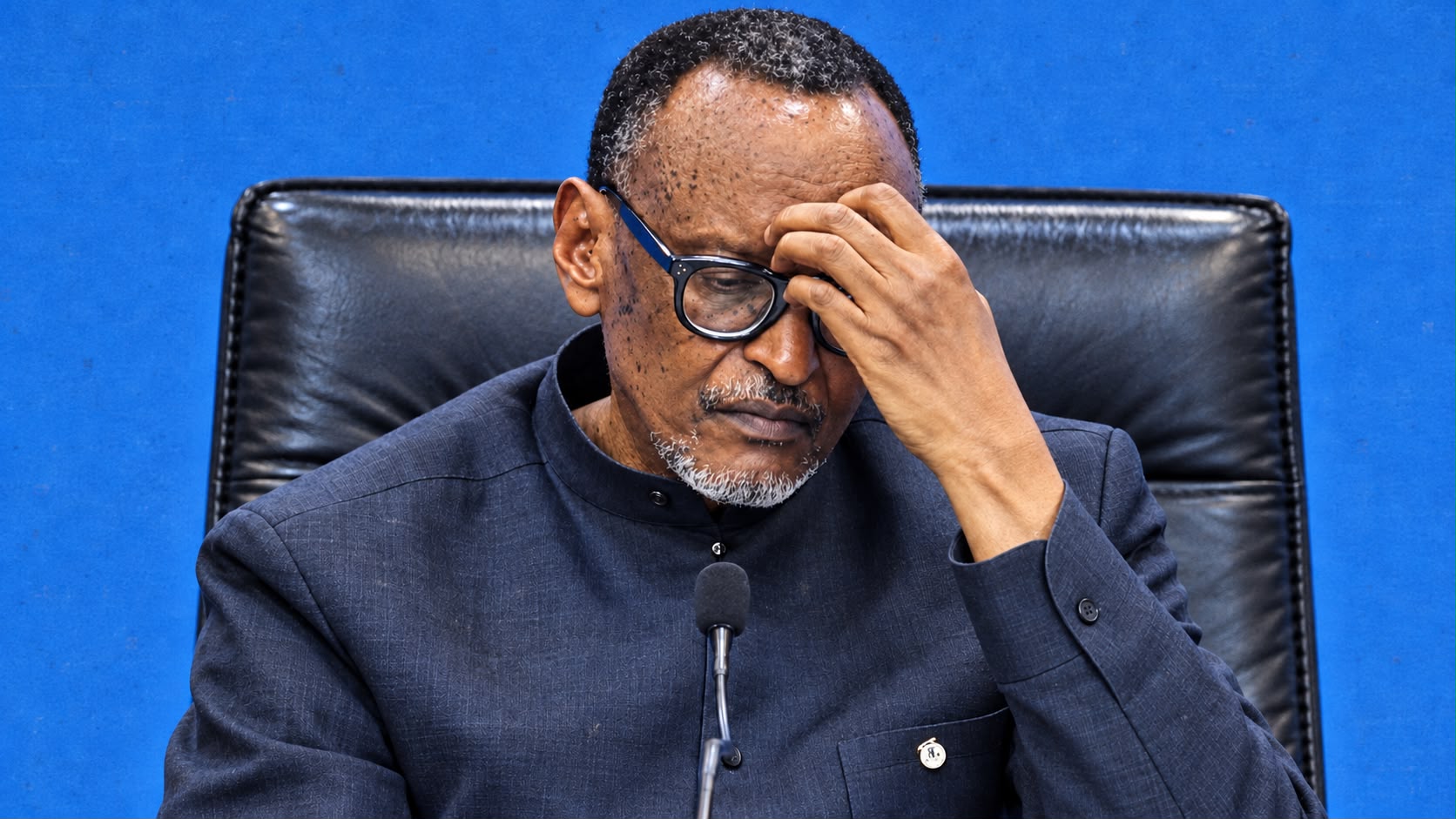
Paul Kagame inhabits a carefully curated fantasy. He has announced a bid to host a Formula 1 Grand Prix at an estimated cost of $1.2 billion. He is building a new international airport projected at roughly $2 billion. RwandAir has absorbed billions in public support. The Kigali Convention Centre ran to about $1 billion.
These megaprojects are deployed as proof that Rwanda is an African economic powerhouse. In reality, they function as expensive propaganda. Ordinary Rwandans watch from the sidelines, many still locked in acute poverty.
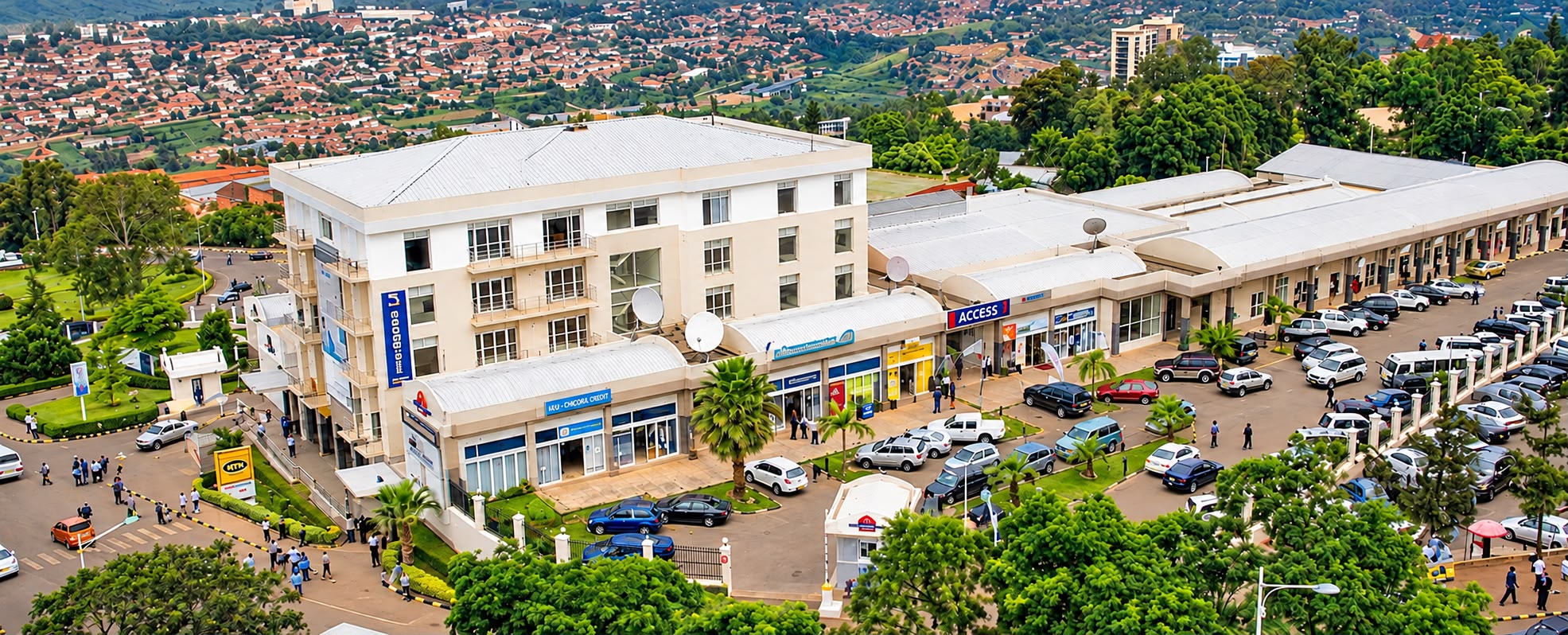
Glossy images of glass towers and racetracks cannot conceal structural failure.
The 2026 statistical update of the UN Global Multidimensional Poverty Index (MPI), jointly produced by UNDP and the Oxford Poverty and Human Development Initiative, once again undercuts the miracle narrative.
No less than 48.8 percent of Rwanda’s population lives in acute multidimensional poverty. In other words, nearly one in two Rwandans are poor. Kagame is not presiding over a modern economic miracle. He is governing a country in which almost half the population remains severely deprived of the basic conditions of a dignified life.
The Illusion Versus the Numbers
While the government promotes Formula 1, new airports, and “smart city” branding, the Global MPI measures the overlapping deprivations people actually experience: inadequate nutrition and healthcare, incomplete schooling, lack of clean cooking fuel, poor sanitation, no electricity, and substandard housing. It is deliberately broader and more revealing than narrow income metrics.
By this standard, roughly half the country is multidimensionally poor. An additional 22.7 percent is vulnerable to falling into that category. Rural areas, home to the large majority of the population, fare far worse (54.8 percent) than urban ones (19.6 percent). The intensity of deprivation among the poor remains high.
The most stubborn deprivations include clean cooking fuel, adequate housing materials, and gaps in education and living standards. These are not abstract statistics. They describe daily life for millions of Rwandans who do not benefit from the showcase projects in and around Kigali.
Progress has occurred—the multidimensional poverty rate has fallen from roughly 67 percent in 2010—but the absolute level remains stark, and the gap between official image-making and lived reality has not closed.
Time to Retire the “Singapore of Africa” Myth
The MPI data is a clear corrective. Top-down control, tight information management, and high-visibility prestige projects cannot substitute for broad-based, equitable development. When nearly half the population is left behind on the most basic indicators of human welfare, claims of an economic miracle ring hollow.
It is time to retire the “Singapore of Africa” branding. The numbers are public, the pattern is persistent, and no amount of conference-centre glass or Grand Prix marketing can hide it.
Discussion

No comments yet. Be the first to comment.