


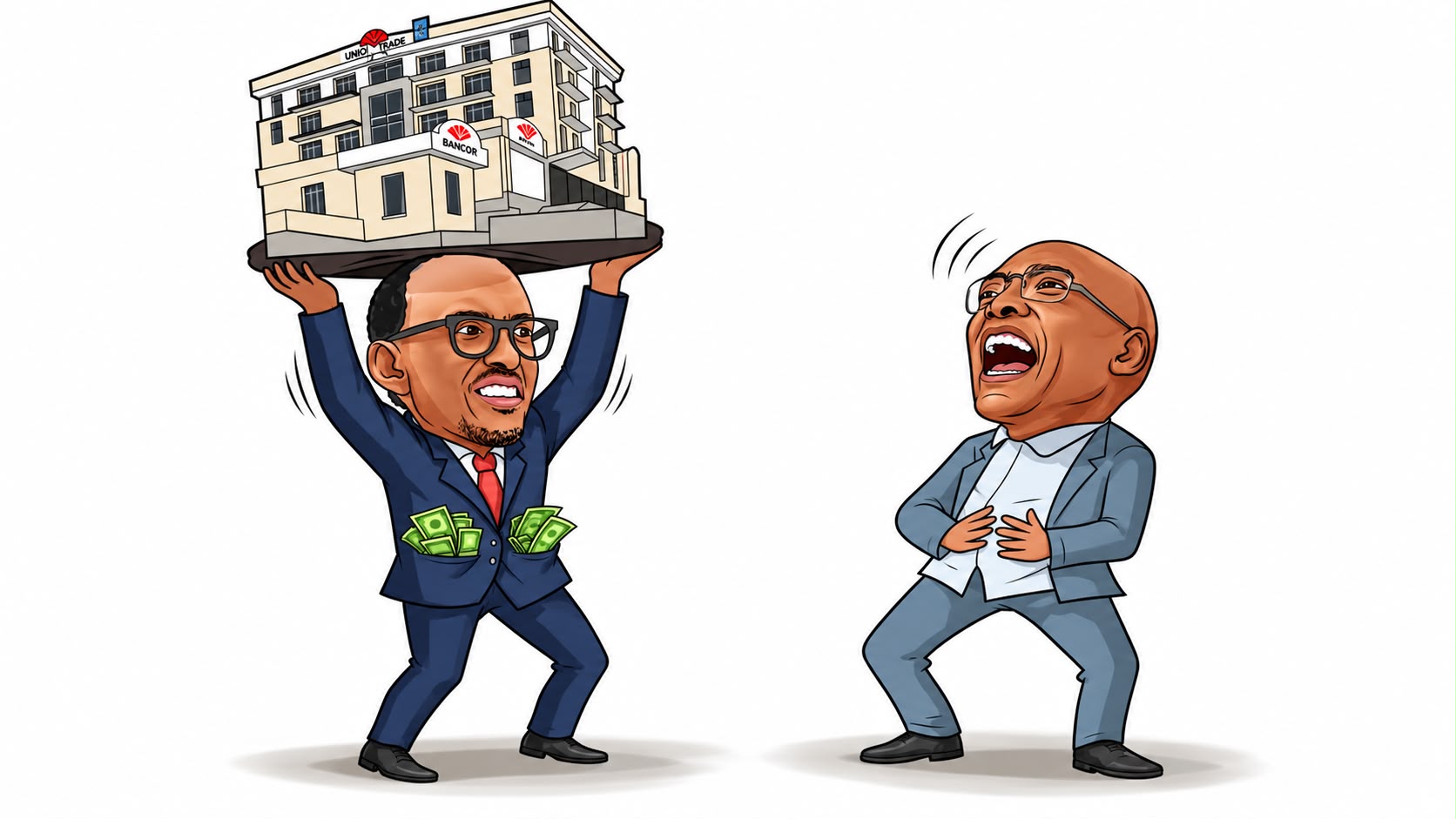
The narrative of modern Rwanda is often packaged as a glittering tech-hub success story, a phoenix rising from the ashes under the visionary stewardship of Paul Kagame. But behind the neat streets of Kigali and the corporate-friendly propaganda lies a trail of broken tycoons, seized assets, and mysterious demises. The brutal truth of Kagame’s regime is that it systematically devoured the very elite that financed and legitimized its rise.
When the Rwandan Patriotic Front (RPF) was a guerrilla movement in the bush, it wasn't just a military force; it was a venture funded heavily by a wealthy, independent Tutsi business class. These internal and external tycoons used their fortunes to buy weapons, organize logistics, and provide political cover. Once power was consolidated, however, Kagame tolerated no independent centers of wealth. One by one, the men who bankrolled the revolution were systematically neutralized.
Tribert Rujugiro Ayabatwa: Seized and Stripped
The late tobacco magnate Tribert Rujugiro Ayabatwa was once the RPF’s premier financial lifeline, bankrolling the movement that brought Kagame out of the bush. As a reward, he spent years advising the ruling party on economic reforms. Yet, by 2009, the relationship soured as Ayabatwa refused to allow his vast conglomerate, the Pan African Tobacco Group, to be absorbed or dictated to by the RPF's corporate arm, Crystal Ventures.
Fleeing into exile, Ayabatwa faced the full wrath of the state. Kagame’s government illegally seized his landmark $20 million Union Trade Centre (UTC) and other assets worth $10 million in Kigali, eventually auctioning them off—an act later ruled illegal by the East African Court of Justice (EACJ). Kagame branded Ayabatwa a terrorist funder and a tax evader, attempting to systematically dismantle his character and his legacy. When Ayabatwa passed away in exile in Dubai in April 2024, he died stripped of his citizenship by the very state he built.
Valens Kajeguhakwa: Enticed, Extorted, and Cast Into Poverty
Valens Kajeguhakwa was a monumental figure in the pre-1994 inner circle, using his immense wealth and ownership of BACAR (Banque Continentale Africaine du Rwanda) to heavily finance the RPF during the war. After the genocide, his independent political stance quickly turned him from an RPF savior into a high-profile target, forcing him to flee to the United States after facing politically motivated embezzlement charges in 2001.
However, the true cruelty of the regime came later. Kajeguhakwa was enticed back to Rwanda by Kagame under the guise of economic reconciliation. Trusting the regime's hollow promises, his family returned and revived their prominent petroleum business, building Energy Resources Petroleum (ERP) into a major fuel supplier. Once the infrastructure was operational and lucrative, Kagame struck again. The government systematically grabbed Kajeguhakwa's wealth, including his massive fuel and gas depots. Stripped of his bank, his assets, and his petroleum empire, Kajeguhakwa was thrown into absolute poverty, reduced to a cautionary tale of what happens when an independent tycoon believes a dictator's truce.
Assinapol Rwigara: The Ultimate Betrayal
Assinapol Rwigara was a titan of tobacco and real estate whose money directly funded the Tutsi army during the civil war. For a time, he was protected and favored. But Rwigara’s fatal mistake was his refusal to hand over control of his private companies to the RPF financial machine.
In 2015, Rwigara died in a highly suspicious road accident in Kigali when a heavy truck allegedly struck his Mercedes-Benz. When his family pleaded with Kagame for an independent investigation, the machinery of state persecution turned on them instead. The government demolished the family’s hotel, auctioned off their premier tobacco business, and threw his wife and daughter, Diane Rwigara, into prison on fabricated charges after Diane attempted to challenge Kagame in the presidential election.
The Dictator's Monopoly
The lesson from these three men is stark. In modern Rwanda, you are allowed to be wealthy only if your wealth belongs directly to the ruling party. Kagame did not just build a state; he built a corporate monopoly. The first casualties of that monopoly were the very tycoons who paved his path to the presidency.Discussion
No comments yet. Be the first to comment.