


Bye Bye Free Foreign Aid — How the International Monetary Fund and the World Bank Became Kagame’s Undisputed Masters
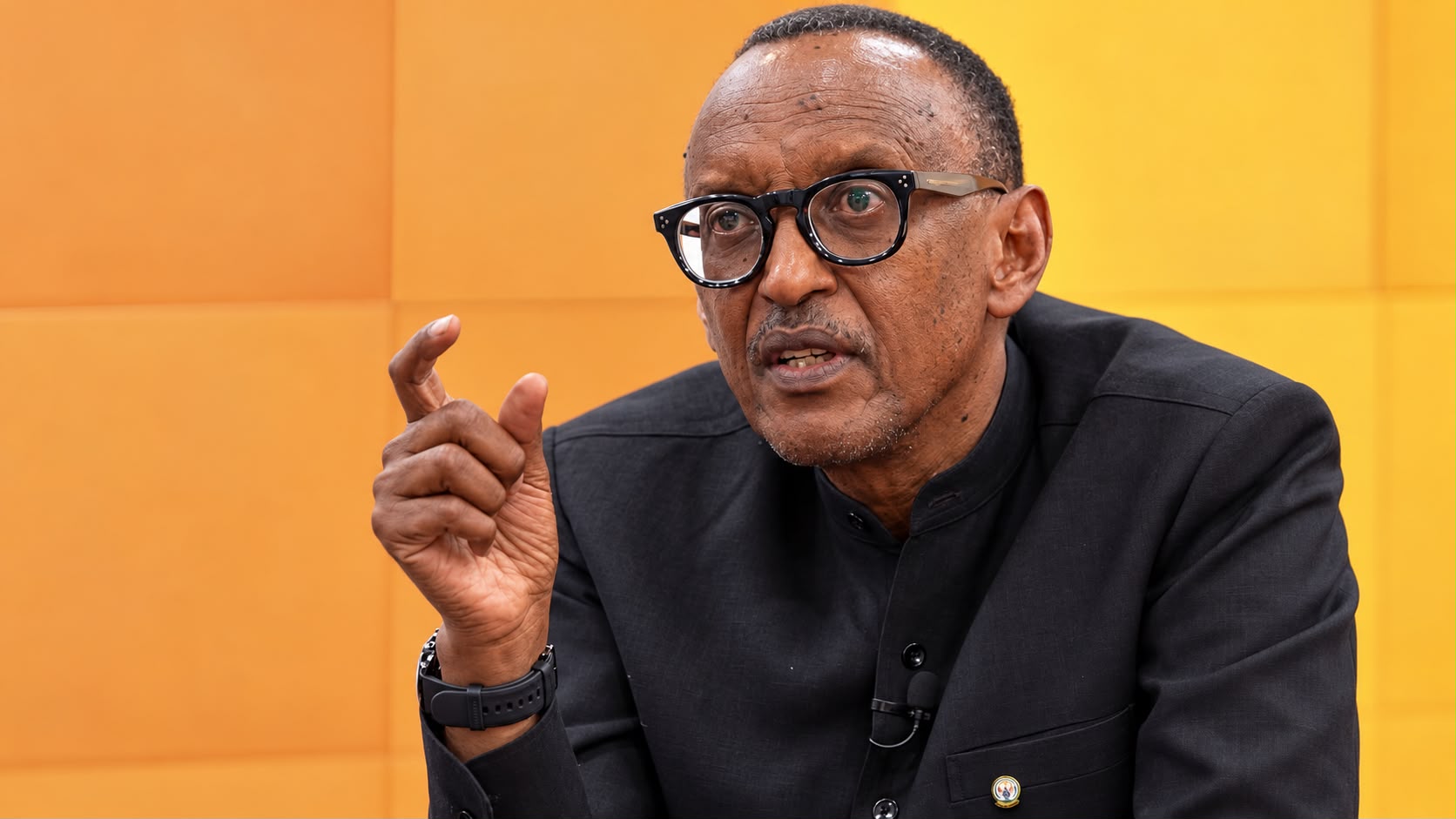
The Kagame regime’s 2026 Letter of Intent to the International Monetary Fund says it all — Rwanda openly cries that the IMF must step in for an urgent rescue mission. The regime cites two related factors — 1) foreign aid is disappearing; 2) what is left is deliberately designed not to support the budget of the government.
There can be no question —the International Monetary Fund (IMF) and the World Bank are now Paul Kagame's undisputed masters.
As free bilateral foreign aid from Western donor nations dries up, Kigali is no longer in the driver’s seat. The technocrats in Washington are pulling the strings, and the price of submission is staggering. Rwanda's external obligations have ballooned, with the state now owing the IMF nearly $1 billion alongside over $3 billion in World Bank debt.
The Catastrophic Collapse of US Aid
The structural floor has entirely fallen out from under Rwanda’s budget. The most damning indicator of this sudden shift is the total evaporation of unconditional Western liquidity:
· The 2025 Reality: The United States obligated over $210 million in direct funding to Rwanda.
· The 2026 Disaster: Under the aggressive fiscal pivoting of the "America First Global Health Strategy," that baseline has collapsed to just $17 million.
This staggering 93% drop in U.S. cash is an utter disaster for Kagame's governance model. For decades, the regime relied on these massive, predictable grant inflows to underwrite basic healthcare, HIV/AIDS control, and infrastructure. Washington has explicitly rewritten the rules of engagement: the era of the free lunch is over. Financial assistance is now strictly conditioned on domestic resource matching and strategic concessions, leaving Kigali stranded.
The Bretton Woods Lifeline
With donor grants vanishing, Rwanda is crying out for emergency cash just to keep the lights on. The corporate structure of the state is being kept on life support by the world's two largest lenders of last resort:
· World Bank Exposure: Over $3 billion is tied up in an active portfolio designed to control and finance specific projects, human capital development, and infrastructure.
· IMF Dependence: Nearly $1 billion is owed in total outstanding obligations, including a critical $250 million active Extended Credit Facility (ECF) lifeline used to plug structural deficits and defend the collapsing currency.
Without this critical institutional backing, Rwanda's economy faces immediate shock. In fact, the government just scrambled to secure a staff-level agreement for a $35.7 million disbursement under this program to temporarily calm its domestic markets.
The Letter of Intent: Signing Away Sovereignty
While government public relations outlets spin these loans as a sign of "strong program performance," the actual tone of the IMF's reviews and the underlying structural demands are deeply alarming.
Rwanda's public debt has ballooned toward 73% of GDP. The Rwandan Franc has faced severe downward pressure, and local inflation spiked dramatically up to 15.7%.
To secure the latest IMF cash, Kigali had to sign a Letter of Intent that locks the country into highly restrictive economic adjustment policies. The pillars of the IMF agreement demand:
· Severe, disciplined tightening of domestic public finances.
· Aggressive domestic tax collections to extract revenue from an already strained populace.
· Intrusive, transparent oversight of state-owned enterprises like RwandAir.
Squeezing Blood from a Stone: The Taxing of Nothing
The IMF’s insistence on aggressive domestic tax collection reveals a staggering, math-defying delusion. The state is attempting to aggressively squeeze revenue from an already broken populace.
The economic reality on the ground is grim: 91.2% of the Rwandan population is dirt poor, struggling to eke out a bare-minimum living in the informal sector. There is hardly any formal private sector to speak of.
The regime is attempting to build a fiscal strategy on pure fiction. You simply cannot tax something that does not exist. By forcing aggressive tax targets onto a population surviving day-to-day on informal trade, the government isn't building a sustainable revenue stream—it is actively suffocating the final embers of its fragile domestic economy.
The Trap Is Sprung
This is the classic debt trap, modernized for 2026. By choosing to sustain an expansive, top-down state model on the back of massive multilateral debt rather than true domestic market independence, the regime has traded Western donor goodwill for institutional captivity.
Every major economic decision out of Kigali must now clear the desks of IMF Mission Chiefs. Kagame doesn't answer to his voters; he answers to his balance sheets. The illusion of a self-made sovereign partner is officially dead.
What do you think? Can Kagame extract Rwanda from this $4 billion trap, or has the regime permanently surrendered economic sovereignty to Washington technocrats? With domestic taxes spiking and public spending slashed, how long before this fiscal pressure breaks the surface?
Drop your thoughts in the comments below, share this article with your network, and hit the subscribe button to get our weekly macroeconomic breakdowns sent straight to your inbox.
Discussion
No comments yet. Be the first to comment.