


Slashing Rwanda’s Lifeline: How the U.S. Aid Cut From $210M in 2025 to $14M in 2026 Devastates HIV and Malaria Care
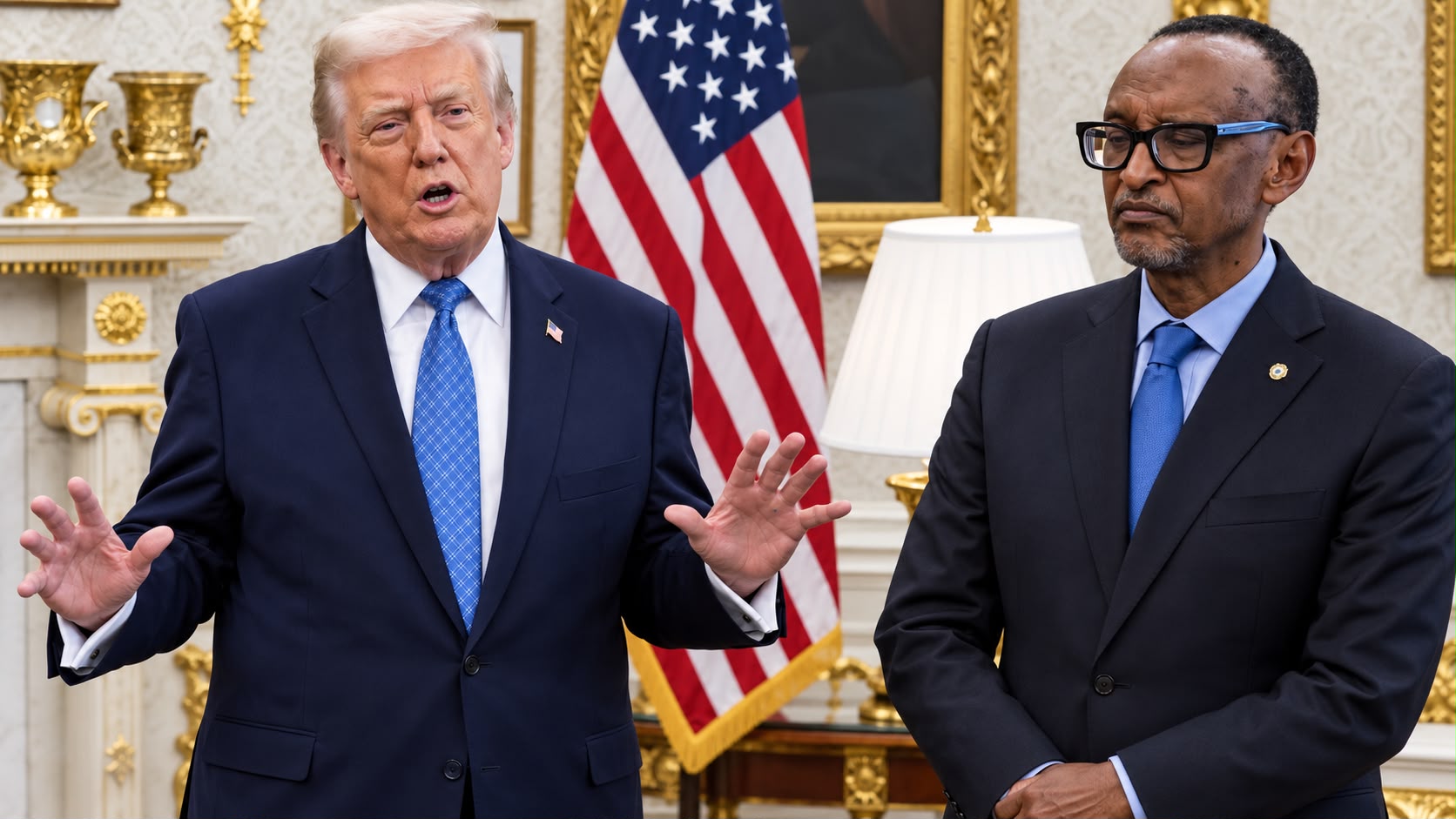
A quiet humanitarian crisis is unfolding in East Africa, masked by spreadsheets and diplomatic shifts. In a staggering and abrupt pivot, U.S. foreign aid to Rwanda collapsed from $210 million in 2025 to just $14 million in 2026.
While a reduction of $196 million might look like a routine fiscal adjustment in Washington, on the ground in Kigali and rural Rwandan villages, this 93% drop is catastrophic. It is a direct blow to the health, stability, and survival of millions of people who rely on these co-funded initiatives for basic medical care.
Anatomy of a Collapse: The Hard Numbers
To understand the human toll of this decision, we have to look past the top-line numbers and examine the specific lifelines that have been severed. The cuts hit the most critical pillars of public health:
· The Global Health Supply Chain: Funding plummeted from $11.2 million down to a meager $645,000. This program is the logistical backbone of Rwanda's medical system, ensuring that life-saving medications, vaccines, and clinical supplies actually reach rural clinics. Without it, the shelves run empty.
· Malaria Prevention: Funding dropped from $8.6 million to just $915,000. Malaria remains one of the leading causes of illness and death in the region, particularly for pregnant women and young children. Slashing this budget by nearly 90% means fewer bed nets, less indoor spraying, and a terrifyingly predictable surge in preventable deaths.
· HIV Community Procurement: Funding was cut from $12 million to $7 million. A $5 million deficit severely cripples community-led distribution of antiretroviral therapies (ART) and testing, threatening to reverse decades of hard-won progress in keeping the HIV epidemic suppressed.
Understanding the Scale: The Domestic Deficit
To truly grasp the gravity of this shortfall, we must look at it in the context of Rwanda's domestic economy.
Rwanda’s parliament recently approved a total national budget of Frw 7,796.3 billion (approx. $5.27 billion USD) for the 2026/2027 fiscal year. Out of that entire national budget, the total Rwandan health budget sits at Frw 489.65 billion—roughly $332.9 million USD.
The $196 million pulled by the United States represents nearly 60% of Rwanda’s entire domestic health budget. No developing nation—no matter how efficiently managed—can absorb a 60% shock to its healthcare system overnight without catastrophic system failure. The math simply does not work. The Rwandan government cannot instantly generate hundreds of billions of Francs to plug a gap of this magnitude.
The Human Cost
Public health infrastructure takes decades to build but can be dismantled in a single fiscal cycle.
When a supply chain collapses, a mother arriving at a clinic with a hemorrhaging newborn finds a facility without basic materials. When malaria prevention funding disappears, pediatric wards fill to capacity within months. When HIV funding shrinks, the strict, daily regimen required to keep viral loads undetectable breaks down, triggering drug resistance and new infections.
Foreign aid is often debated in political terms—as leverage, diplomacy, or fiscal conservatism. But this abrupt withdrawal reminds us of the human stakes involved. The collapse of U.S. aid to Rwanda isn't just a policy shift; it is an unfolding public health emergency that places the lives of millions of the world's most vulnerable people on the line.
Discussion
No comments yet. Be the first to comment.