


Kagame Will Never Give Up Secrecy on Stock Shareholding of the Rwanda Social Security Board and Other Public Corporations
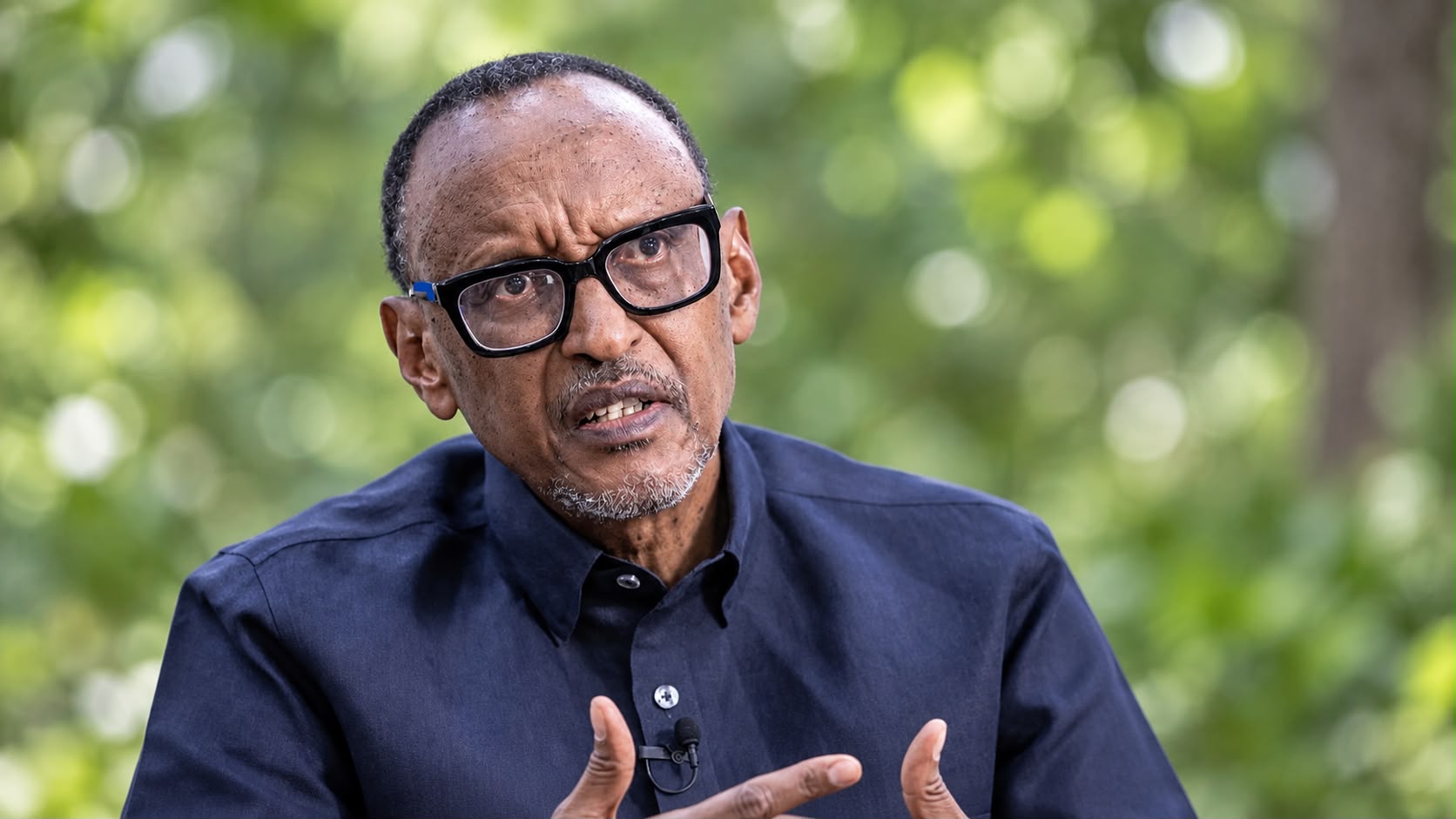
Meanwhile, Rwanda’s public sector net worth has plummeted from 63 percent of GDP in 2017/2018 to 48 percent of GDP in 2023/2024.
The myth of the Rwandan economic miracle is facing an aggressive reality check, and the cracks are showing directly in the math. In its RWANDA Fiscal Transparency Evaluation Update (June 2026), the International Monetary Fund (IMF) pulled back the curtain on a regime struggling under the weight of its own hidden liabilities, institutional weaknesses, and a stubborn refusal to open its books to the public.
For years, the regime of Paul Kagame has carefully manicured an image of clean governance and hyper-e iciency. But the IMF’s latest diagnostic report exposes a staggering trajectory of decline, a lack of credible oversight, and—most predictably—a total failure to live up to basic transparency commitments regarding public corporations.
1. The Disappearing Wealth: Public Sector Net Worth Is in freefall
The most alarming macro-indicator in the report is the quiet bleeding of Rwanda’s public wealth. The IMF notes that Rwanda’s public sector net worth has plummeted from 63 percent of GDP in FY2017/2018 to just 48 percent of GDP in FY2023/2024.
This is not a minor statistical fluctuation; it is a structural crisis. Where did the money go? The IMF spells it out clearly: the rapid erosion of net worth is driven by the central government’s aggressive accumulation of liabilities. Kigali is piling on debt and drowning in pension obligations to civil servants. The state is becoming poorer, hollowed out by massive borrowing while the ruling elite continues to project an illusion of boundless prosperity.
2. The Puppet Show of Parliamentary "Oversight"
The IMF also exposes the structural theater behind Rwanda’s budget forecasting. While the government claims to have targets for national debt, there is zero independent validation of the state's fiscal math. The regime points to the Parliamentary Directorate for Research and Analysis as its watchdog.
But the IMF e ectively describes this o ice as a toothless, understa ed joke. The directorate has a grand total of five sta members who are stretched thin across multiple parliamentary committees. They have no explicit mandate, no formal terms of reference, and their internal reports are completely hidden from the public eye. Instead of analyzing long-term fiscal sustainability, these five individuals are reduced to rubber-stamping sector allocations.
To twist the knife, the IMF points across the border to the Kenyan Parliamentary Budget O ice as an example of what actual, institutional oversight looks like. Rwanda’s version isn't a watchdog; it’s an administrative smokescreen designed to simulate accountability while keeping the real fiscal levers firmly out of independent hands.
3. The Core Secret: Why the RSSB Books Stay Closed
But the most damning indictment in the June 2026 update lies in what the regime refuses to publish. Rwanda has completely failed to implement its 2019 commitment to publish the stock shareholding of key public institutions.
Seven years after promising transparency, the Rwandan authorities have made zero progress in compiling an inventory or publishing the asset breakdown of the Rwanda Social Security Board (RSSB) and all public corporations. Furthermore, they have blocked any attempts to establish a policy for historical revisions to fiscal statistics. They are actively erasing the trail.
Let’s be entirely blunt: Kagame will never publish this data. Kagame has built his ruling party’s business empire, Crystal Ventures Ltd, by raiding the pension of the people of Rwanda that is looked after by the Rwanda Social Security Board (RSSB).
The exploitation is continuous, brazen, and entirely unchecked. Just in the past two months, RSSB was forced to purchase the $100 million Inyange Industries Ltd and Ruliba Clays from the ruling party’s business empire.
When the ruling party can systematically o load its private corporate assets onto the public pension fund to extract hundreds of millions of dollars at will, secrecy isn't just an administrative delay—it is a survival mechanism.
If Kagame allows a true, itemized inventory of RSSB's stock shareholding to see the light of day, the world will see exactly how the hard earned retirement savings of ordinary Rwandan workers have been cannibalized to enrich a partisan oligarchy.
The IMF can publish all the updates it wants, but as long as the RPF treats public corporations as private bank accounts, the blinds in Kigali will remain firmly shut.
Discussion
No comments yet. Be the first to comment.