


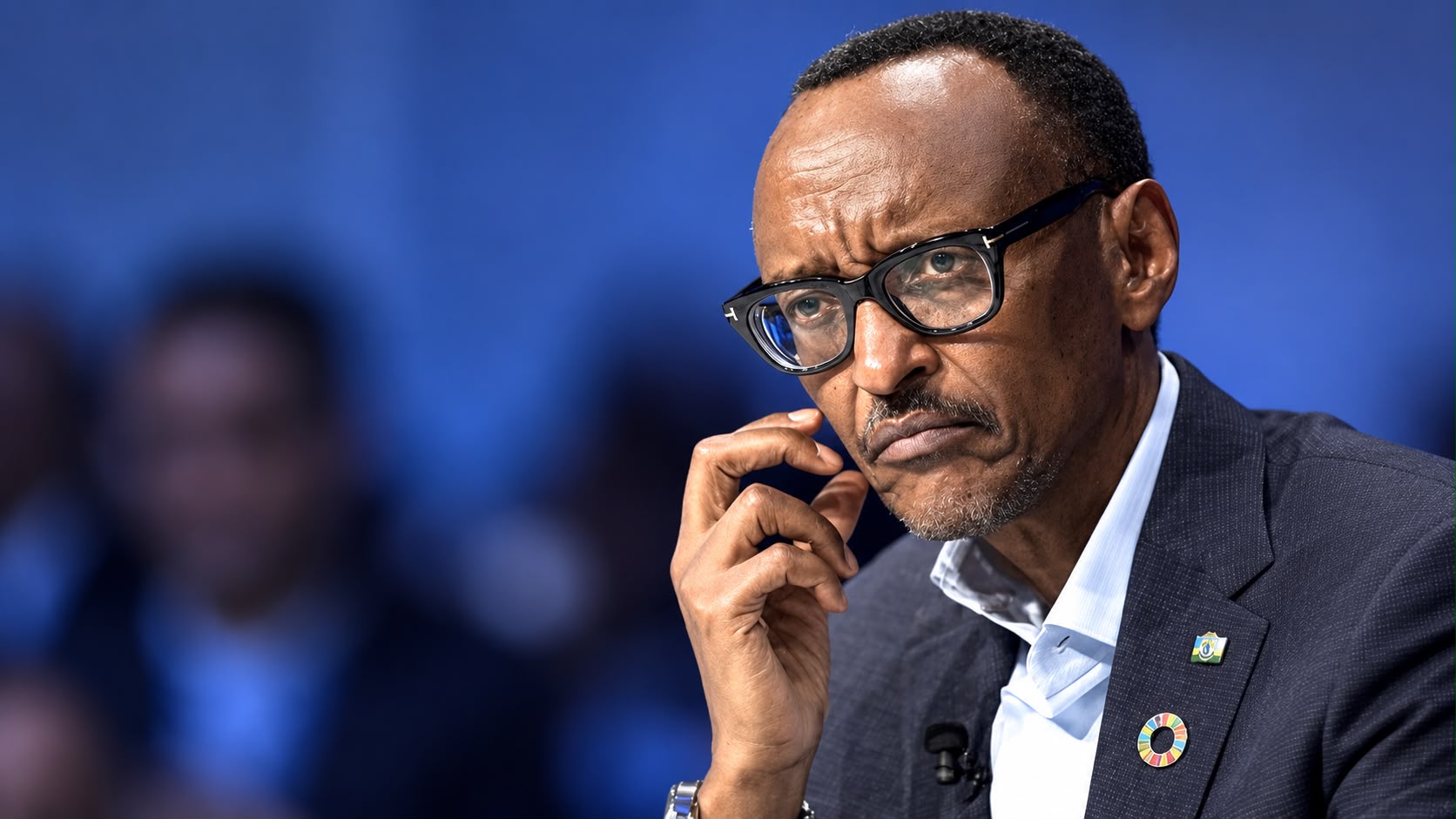
The Kagame regime has officially launched its newest grand illusion: the Rwanda Development Cooperation Policy (RDCP) 2026–2050, quietly approved by the Cabinet on September 18, 2026. On paper, it sounds like a visionary roadmap for the future. In reality, encouraging donors to pour fresh money into a government-led coordination structure is the geopolitical equivalent of trying to revive the dead from a graveyard.
The RDCP is dead in the water.
According to official regime rhetoric, the policy aims to encourage donor countries to channel their resources directly toward priority programmes designed, managed, and implemented through government-led coordination.
Stop right there. This is supposed to look clever, but it is deeply foolish. There are two glaring reasons why this entire policy is an exercise in absurdity.
1. There are no donors left to coordinate
First, look around the room: Rwanda has virtually no major donors left. The lone exception is Belgium, which only recently restored diplomatic relations. But let’s be realistic—Belgium is hardly a financial superpower with endless resources to dump into Rwanda. Before relations broke off entirely, Belgium’s foreign aid to Rwanda amounted to a miserable $5 million. A drop in the bucket cannot finance a 2050 national strategy.
2. Donors already rejected this failed experiment
The second and most embarrassing flaw in the RDCP is that it tries to sell an old, discredited idea as something brand new. Asking donors to hand over their funds to government-controlled priority programmes is exactly how the old direct budget support strategy used to work.
And why did donors abandon it? Because the Kagame regime consistently failed to account for where the money went.
In the most damning case scenario, a World Bank study exposed exactly how ruling elites in poor countries siphon donor funds directly into offshore tax havens. In Rwanda's case, elite corruption accounted for a staggering $190 million smuggled into offshore accounts.
Chastised by this systemic corruption, international donors pivoted entirely. They adopted a project-based funding formula, retaining direct, meticulous control over their capital from the day a project breaks ground until the day it is completed. They did this specifically to stop the regime from treating foreign aid as a private piggy bank.
The Verdict: Reviving the Dead
So here we are in 2026. The regime wants the international community to forget the past, bypass project controls, and trust government coordination once again through the RDCP 2026–2050.
You cannot build a twenty-five-year development plan on financial ghosts and recycled failures. Kagame is digging up an old, rejected strategy and expecting a miracle.
Go figure.
Discussion


No comments yet. Be the first to comment.