


Sinking in Net Worth, Drowning in Debt: Inside the Devastating 2026 IMF Evaluation of Kagame’s Rwanda
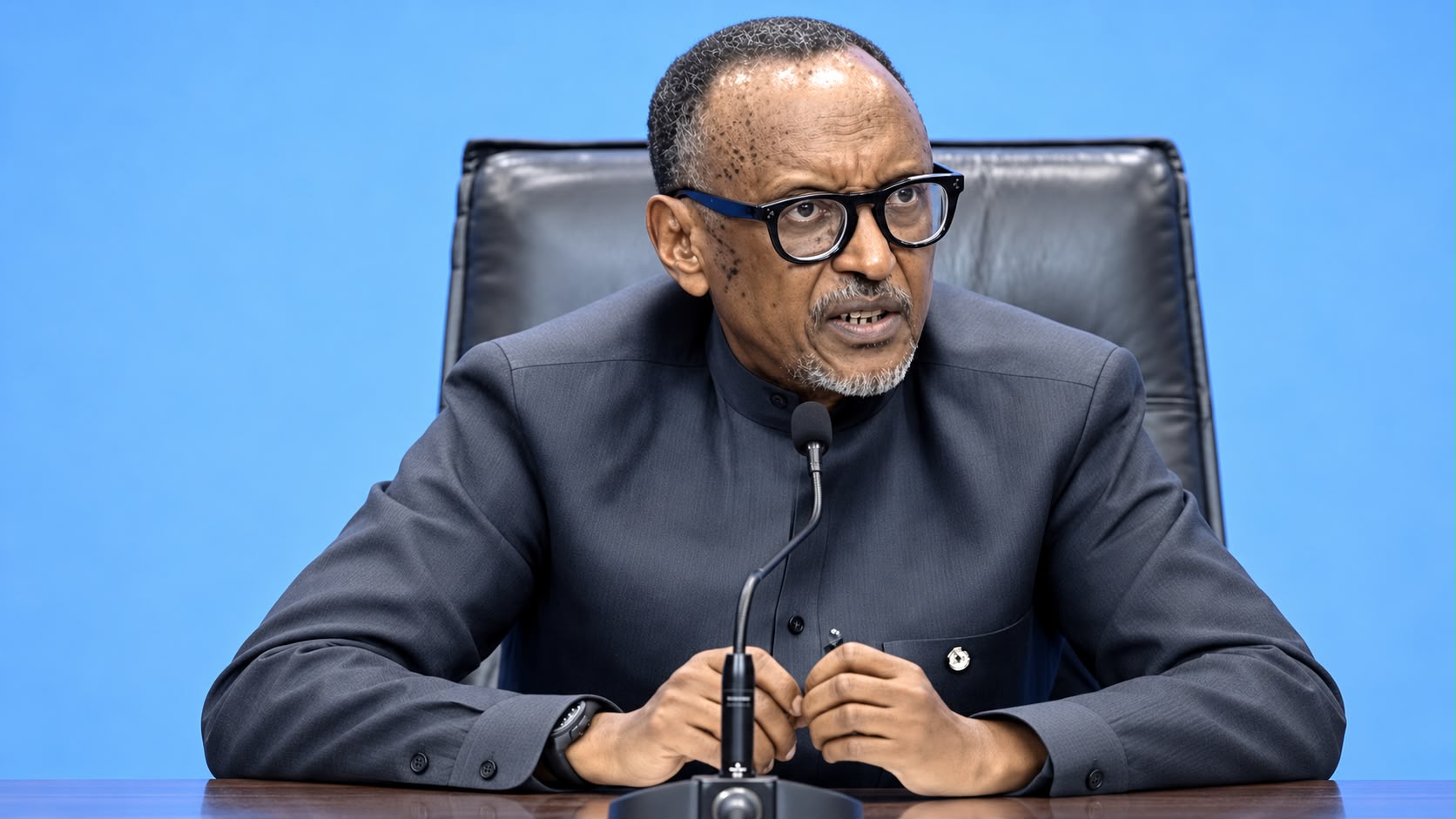
Paul Kagame’s African economic miracle of clean streets, tech hubs, and visionary leadership just took a hit from cold, hard light of rigorous data. In its August 2026 report, the RWANDA — Fiscal Transparency Evaluation Update, the International Monetary Fund (IMF) shattered the illusion. In just two devastating paragraphs, the IMF exposed a grim reality: Paul Kagame is plunging Rwanda into a perilous fiscal abyss, all while keeping the Rwandan people completely blindfolded.
Paragraph 1: The Anatomy of a Fiscal Abyss
The IMF’s first paragraph cuts straight through the state propaganda to reveal a nation structurally drowning under the weight of its own leadership:
“The public sector’s net worth has declined. From fiscal year 2017/18 to 2023/24, public sector net worth declined from 63 percent of GDP to 48 percent, reflecting the impact of successive global and domestic shocks that led to higher public borrowing and increased pension-related liabilities, while continued public asset accumulation helped partly offset these pressures. Public debt increased from 55.9 percent of GDP in 2019 to an estimated
73.6 percent by end-2025. Public corporations, which hold liabilities equivalent to 31.6 percent of GDP, pose substantial fiscal risks, with subsidies amounting to 15 percent of tax revenue. The portfolio of signed public private partnerships is large and expanding, notably with the New Kigali International Airport project representing 17.3 percent of GDP, yet fiscal exposure is not fully covered.”
Unpacking this data reveals the staggering scale of the regime's economic mismanagement:
· Shattered Net Worth: In a span of just six fiscal years, Rwanda’s public sector net worth plummeted from 63 percent of GDP to 48 percent. The nation is materially poorer, drained by aggressive borrowing and ballooning pension liabilities.
· A Mountain of Debt: Rwanda’s public debt has skyrocketed from 55.9 percent of GDP in 2019 to an estimated 73.6 percent by the end of 2025. This is a dizzying, unsustainable trajectory that traps future generations under a massive mountain of obligations.
· Toxic Public Corporations: State-owned enterprises have become fiscal ticking time bombs. They hold liabilities equivalent to 31.6 percent of GDP and suck up a massive 15 percent of all tax revenue just in state subsidies to keep them afloat.
· Vanity Mega-Projects: The regime’s obsession with prestige is perfectly exemplified by the New Kigali International Airport project. This single venture represents a staggering 17.3 percent of the entire nation's GDP, yet the IMF explicitly warns that the country’s fiscal exposure to this massive risk is not fully covered.
Paragraph 2: The Deliberate Blackout
How does a regime get away with putting an entire country's financial future at risk? By ensuring no one can see what is happening. The IMF’s second paragraph exposes the systematic lack of accountability and transparency anchoring this collapse:
“Comparability remains limited, with discrepancies and unreconciled differences among fiscal reports, as well as the absence of reconciliations between successive forecasts—which are not compared to independent forecast—or historical revisions. Transparency beyond the budgetary central government is limited due to current data coverage with insufficient reporting on public corporations, public-private partnerships, and subnational governments, alongside minimal and non-transparent contingency provisions. Public investment is high, averaging above 10 percent of GDP in recent years, but cost-benefit analyses and total project costs are not yet reported.”
Translated from diplomatic IMF-speak into plain truth, this means the regime is cooking the books and hiding the receipts:
· Unreconciled Discrepancies: Fiscal reports do not match, numbers are missing, and government forecasts are shielded from independent validation.
· Institutional Secrecy: There is a total information blackout regarding public corporations, subnational government spending, and public-private partnerships.
· Blind Spending: While Kagame pours over 10 percent of GDP into public investments annually, basic governance practices—like cost-benefit analyses and reporting total project costs—are completely non-existent.
The Deep End
The message between the lines of these two IMF paragraphs is clear. While Paul Kagame actively plunges Rwanda into a deep economic hole, he has engineered a system to ensure his encounters are kept entirely in the dark. Rwandans are being forced to bankroll a debt-fueled house of cards without the right to ask how their money is spent, what liabilities they owe, or how catastrophic the fallout will be when the bills come due.
Kagame has built a glittering facade, but the foundation is rotting. How might this end? When a regime borrows heavily in the dark and silences anyone holding the flashlight, the crash is inevitable. Only God knows how much pain the people of Rwanda will have to endure when the illusion finally shatters.
Discussion
No comments yet. Be the first to comment.