


Kagame's "Singapore of Africa" Narrative Faces a Difficult Economic Reality
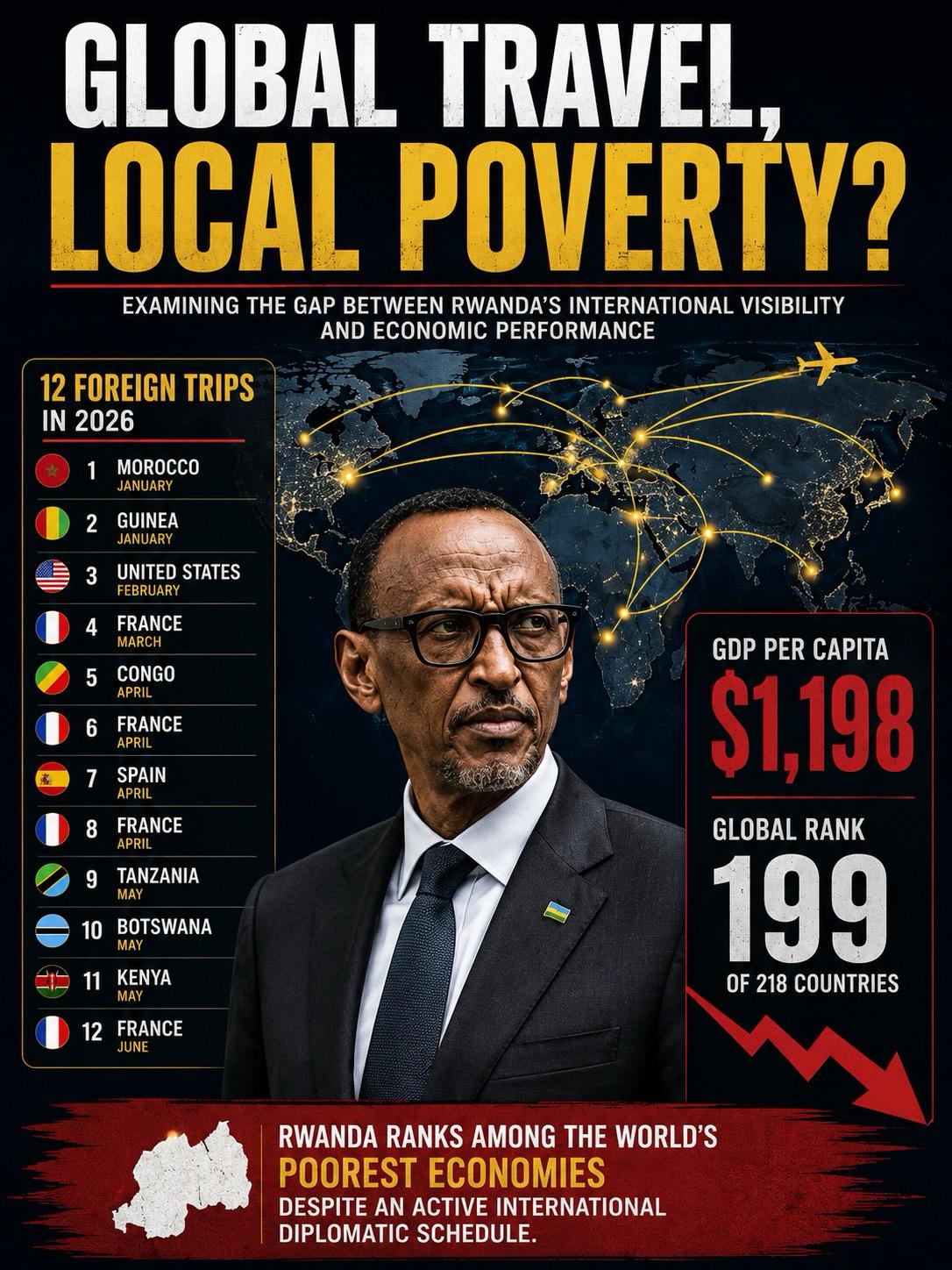
Global Travel, Local Poverty?
Kagame’s “Singapore of Africa” Narrative Faces a Difficult Economic Reality
For years, President Paul Kagame has promoted Rwanda as the “Singapore of Africa,” presenting the country as a model of economic transformation, good governance, and development. However, the latest economic data paint a different picture.
According to 2026 International Monetary Fund (IMF) figures, Rwanda ranks 199th out of 218 countries in Gross Domestic Product (GDP) per capita, with an estimated GDP per capita of US$1,198. Only eighteen countries in the world have lower GDP per capita figures than Rwanda, including several countries affected by prolonged conflict and instability.
Within East Africa, Rwanda also trails most of its neighbors. Kenya leads the region with a GDP per capita of US$2,714, followed by Uganda at US$1,476 and Tanzania at US$1,362. Rwanda stands at US$1,198, ahead only of the Democratic Republic of Congo at US$1,122 and Burundi at US$546.
Meanwhile, President Kagame has maintained an active international travel schedule throughout 2026. Since January alone, he has undertaken at least twelve foreign trips, including visits to Morocco, Guinea, the United States, France, Spain, Congo-Brazzaville, Tanzania, Botswana, and Kenya.
Supporters argue that international engagement strengthens Rwanda’s diplomatic and economic partnerships. Critics, however, question whether these frequent foreign trips have translated into meaningful improvements in the living standards of ordinary Rwandans.
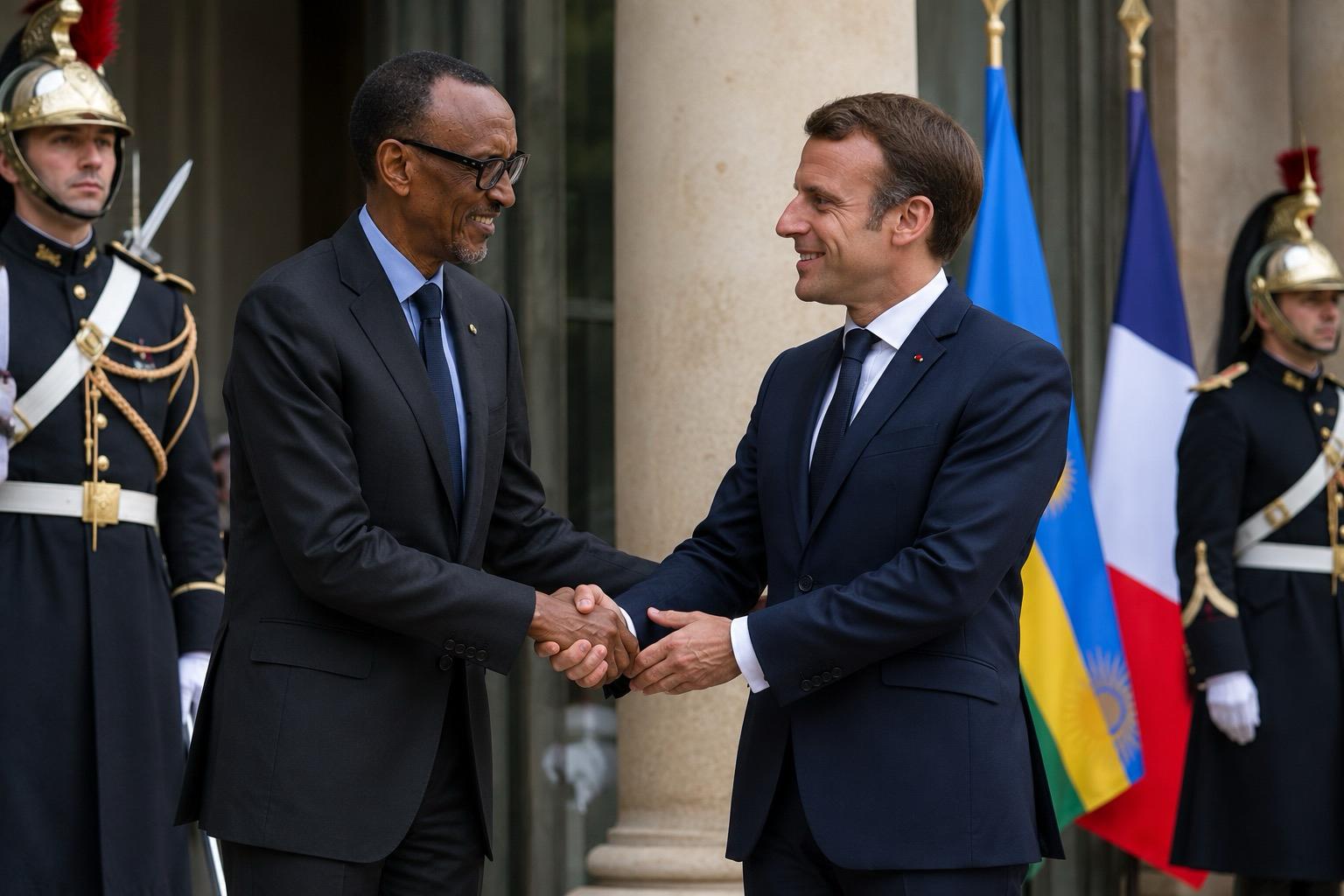
The contrast between Rwanda’s extensive international visibility and its economic ranking raises important questions about the country’s development model. Despite significant international recognition and diplomatic activity, Rwanda continues to face persistent challenges related to income levels, employment opportunities, and household prosperity.
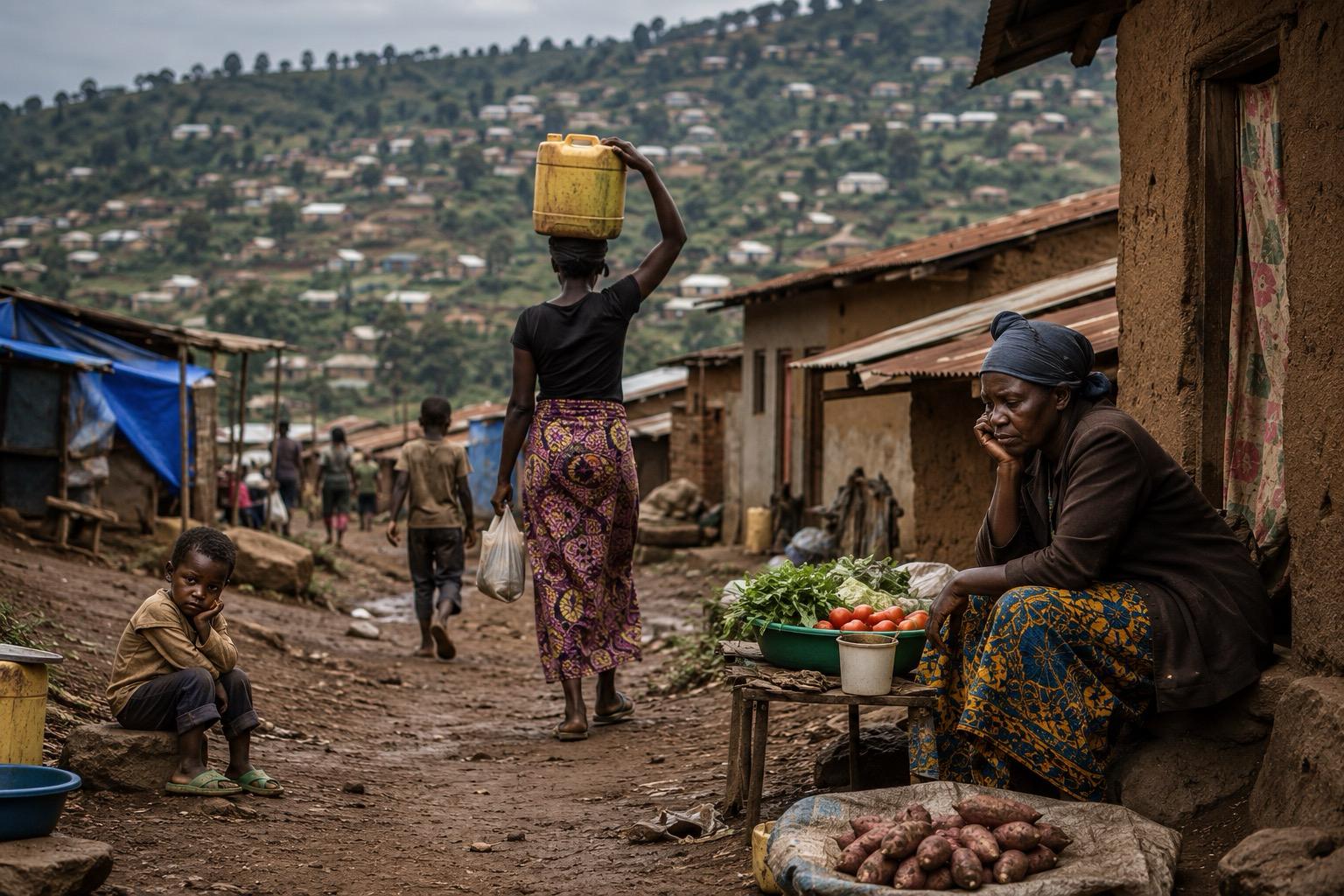
The central question is whether Rwanda’s extensive diplomatic engagement is producing measurable economic benefits for ordinary citizens. While government officials frequently highlight international recognition and foreign partnerships, Rwanda’s economic indicators continue to place the country among the world’s poorest nations. This disconnect raises serious concerns about national priorities and the effectiveness of current economic policies.
For Rwandans struggling with low incomes, unemployment, and rising living costs, international prestige alone is not enough. Economic success should ultimately be measured by improvements in the lives of citizens rather than by the number of foreign visits, international conferences, or diplomatic engagements undertaken by political leaders.
KAGAME’S 2026 FOREIGN TRAVEL SCHEDULE
KEY ECONOMIC INDICATORS (2026)
- GDP Per Capita: US$1,198
- Global Ranking: 199th of 218 Countries


No comments yet. Be the first to comment.