


Rwanda’s Tourism Economy Is Collapsing Under Kagame’s Authoritarian Rule: Empty Hotels, Mass Redundancies, and a Failed High-Value Fantasy
Empty hotels, mass redundancies, and a failed high-value fantasy
A BBC Gahuza investigation and official statistics expose Rwanda’s collapsing tourism sector under Kagame: empty Kigali hotels, failed conference ambitions, and regional earnings far behind neighbors.
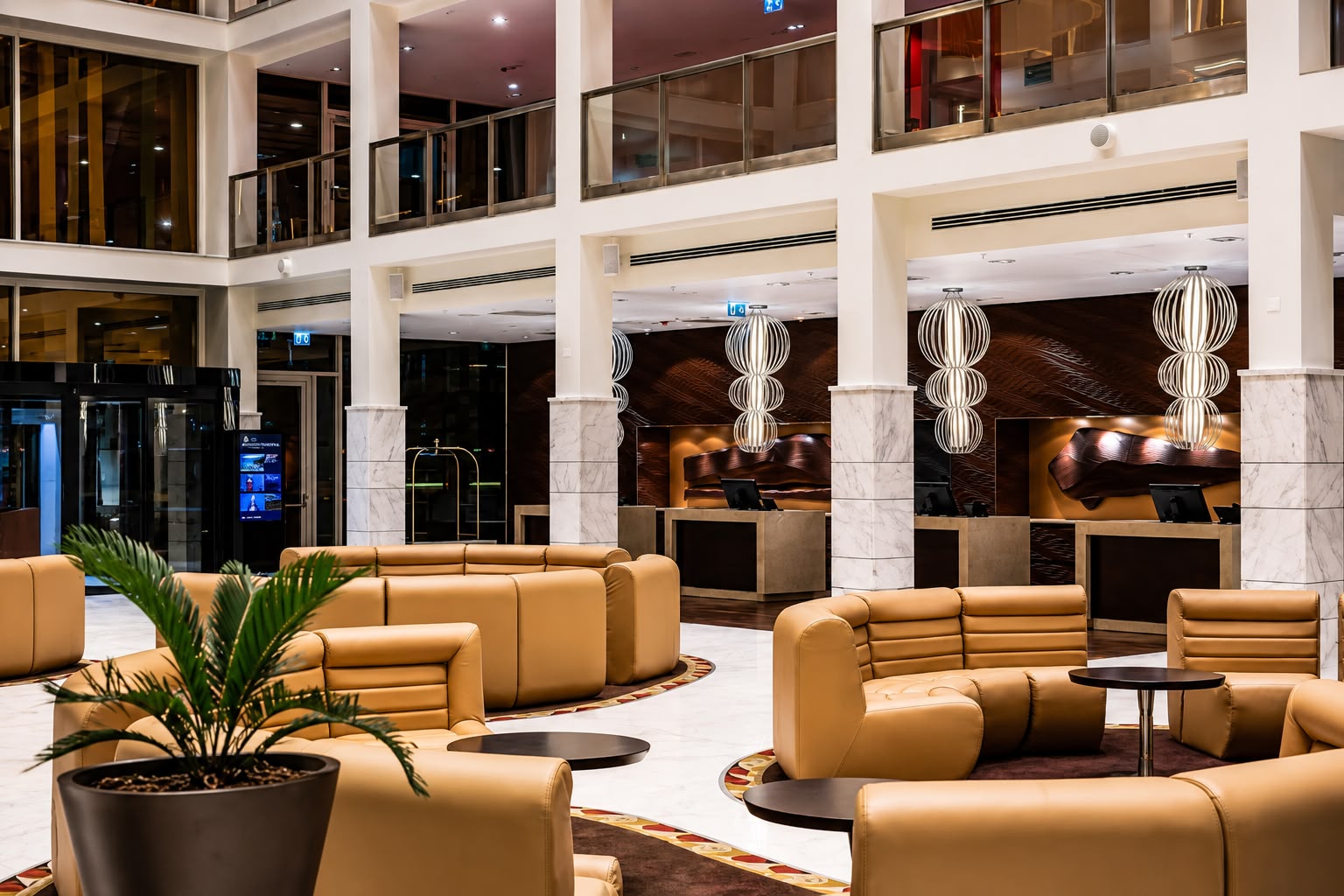
For three decades, Paul Kagame has ruled Rwanda with an iron fist, transforming the country into a tightly controlled authoritarian state where propaganda masks deep structural failures. A damning investigation by BBC Gahuza, aired on July 9, 2026, rips away the regime’s glossy facade, exposing a tourism sector in freefall: hotels — especially in Kigali — stand largely empty, while widespread redundancies devastate workers in large chains and small establishments alike. This is not a temporary hiccup; it is the predictable outcome of Kagame’s delusional high-value, low-volume model and his regime’s obsession with prestige vanity projects at the expense of ordinary Rwandans.
Official Data Confirms the Collapse
Even the regime’s own numbers cannot hide the truth. The National Institute of Statistics of Rwanda (NISR) confirms that hotel accommodation plummeted by 16% in the first quarter of 2026. This sharp decline underscores the severity of the crisis: over-reliance on ultra-premium gorilla trekking and exclusive experiences — artificially limited to prop up high prices — has left the sector fragile and isolated. Hotels constructed in a frenzy of over-optimistic projections now echo with emptiness. Layoffs ripple through the industry, hitting not only hotel staff but the entire supply chain: local farmers, transporters, artisans, and service providers who once pinned their hopes on tourism-driven growth.
Compounding the hotel crisis, international conferences have failed to materialize despite massive investments in facilities like the Kigali Convention Centre. The regime’s promise of Rwanda as a premier MICE (Meetings, Incentives, Conferences, and Exhibitions) hub has proven hollow, leaving expensive infrastructure underutilized and further depressing occupancy rates.
Despite relentless state propaganda and aggressive international marketing, the sector — once hailed as Rwanda’s economic savior — is failing spectacularly at job creation and revenue generation. Under Kagame’s repressive governance, where dissent is crushed and statistics are routinely massaged, the tourism mirage is finally cracking.
Comparative Failure: Lagging Far Behind Neighbors
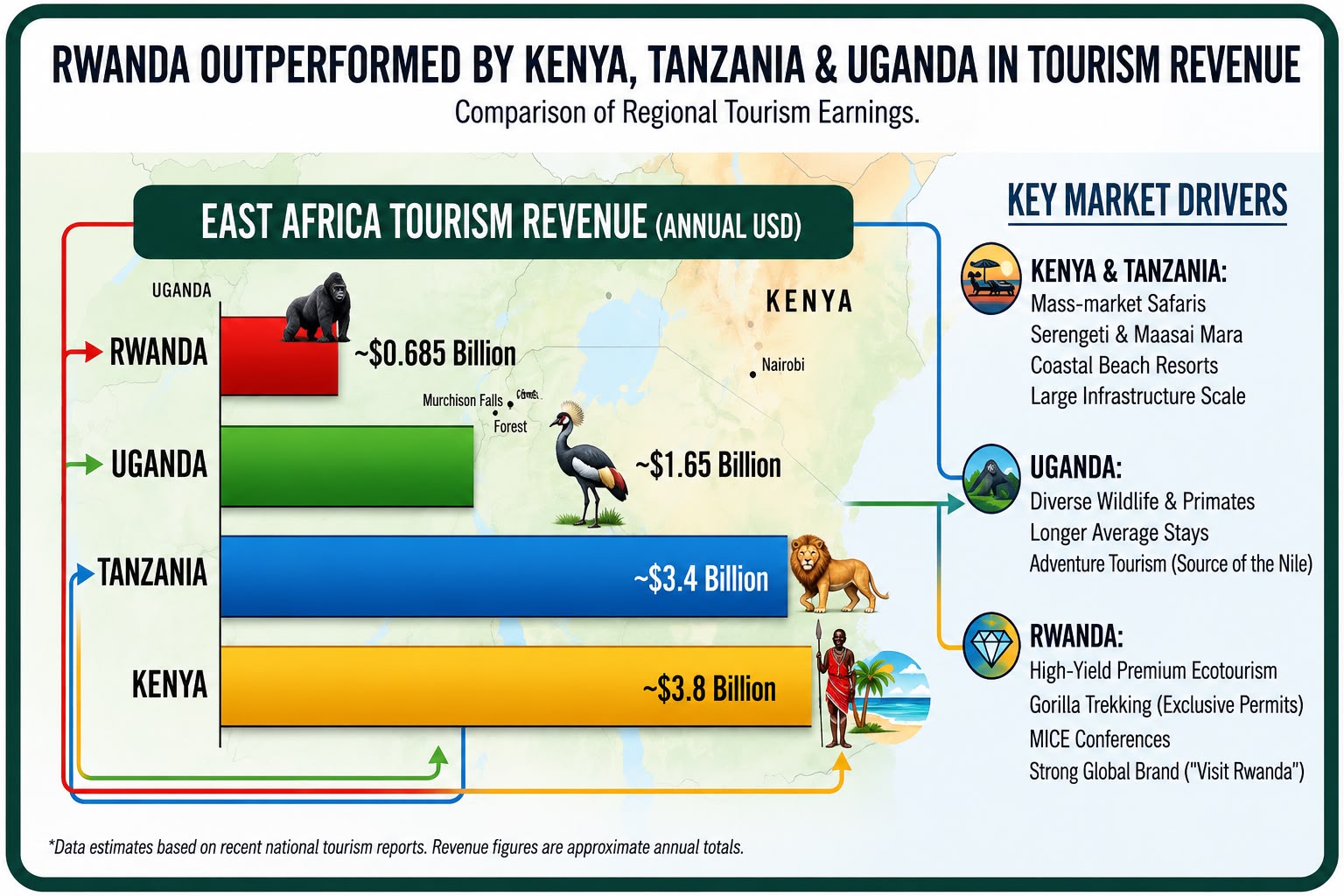
UN Tourism (UNWTO) data and EAC reports deliver a damning verdict: Rwanda remains a minnow in regional tourism earnings, its authoritarian isolation and limited appeal unable to compete with freer, more diverse neighbors.
2024 Figures:
- Tanzania: ~$3.9 billion — thriving on iconic safaris, Zanzibar beaches, and mass appeal.
- Kenya: Over $3.5 billion, with 2.3+ million international arrivals fueled by the Maasai Mara and vibrant coastal tourism.
- Uganda: ~$1.28 billion, showing steady gains in accessible wildlife and regional travel.
- Rwanda: A pitiful $580–685 million — the smallest by far.
Kenya and Tanzania create real jobs and multiplier effects across their economies. Rwanda’s niche obsession, enforced under Kagame’s top-down control, delivers prestige for a tiny elite while condemning the broader population to economic marginalization.
Prestige White Elephants and Crushing Debt
Kagame’s regime squanders scarce resources on grandiose projects that serve propaganda more than people:
- The $500 million Kigali Convention Centre — a gleaming symbol of excess, now underused as conferences fail to arrive.
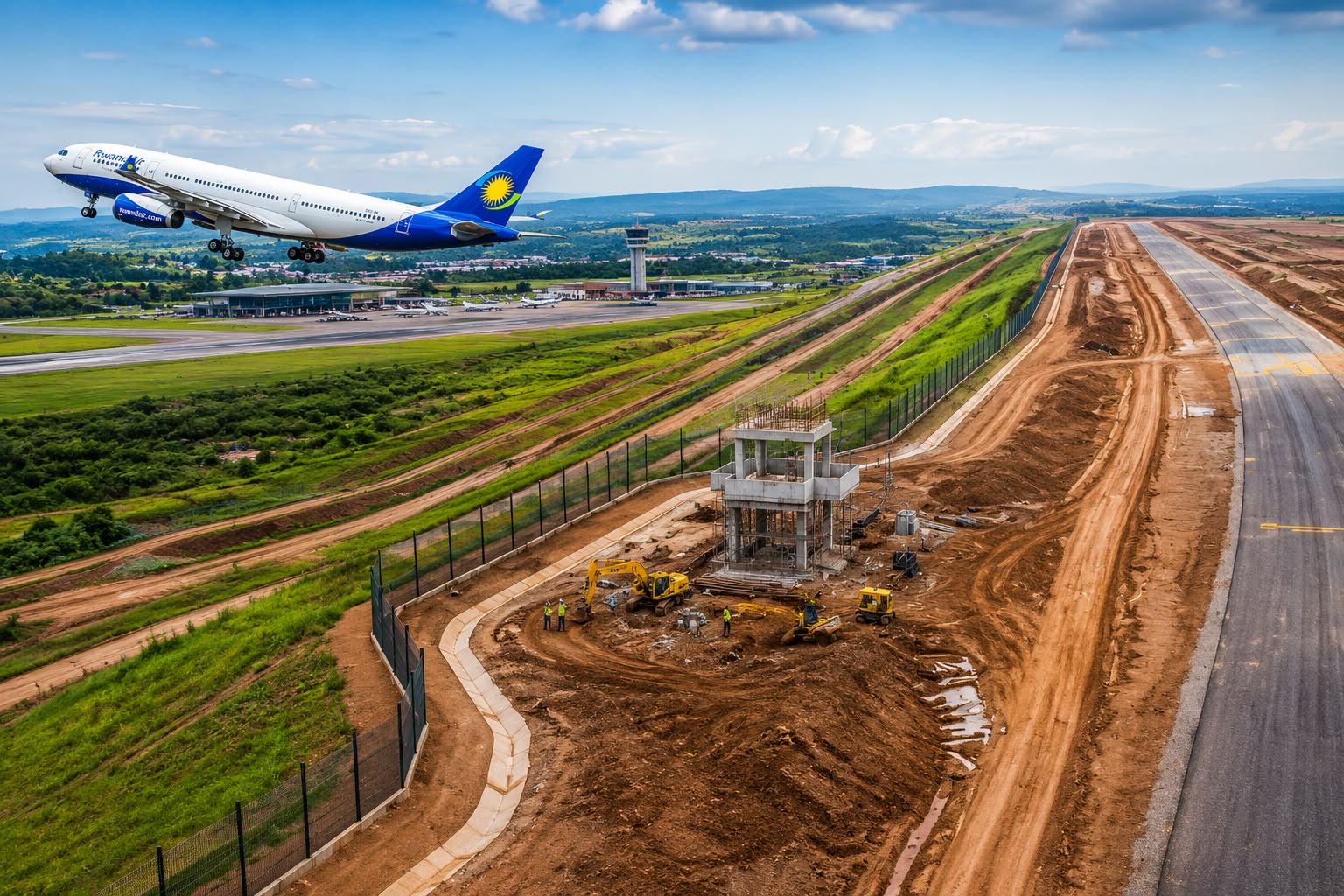
- Billions funneled into the chronically loss-making RwandAir.
- Over $2 billion poured into the new Bugesera International Airport.
These vanity initiatives have driven Rwanda’s public debt-to-GDP ratio to a dangerous ~80%, saddling future generations with unsustainable burdens while basic services and broad-based growth suffer.
International Isolation: Sanctions and Aid Cuts
Kagame’s authoritarian adventurism in the Democratic Republic of Congo has finally provoked consequences. The US, UK, and EU have slashed aid and imposed targeted sanctions over Rwanda’s support for the M23 rebels and the plunder of DRC’s conflict minerals (gold, coltan, and more). US Treasury actions in 2026 specifically targeted Rwandan entities and networks, including links to the Rwanda Defense Force, for fueling violence and illicit trade.
This isolation — earned through decades of repression at home and destabilization abroad — further starves the economy of the capital and confidence needed for genuine recovery.
The Urgent Need for Genuine Change
Kagame’s high-value, low-volume tourism fantasy has merits only on paper: it funds selective conservation while enriching regime insiders. In practice, it has produced empty hotels, redundant workers, failed conference ambitions, and a hollow economy. After 30 years of authoritarian rule, Kagame’s model is exhausted — built on fear, propaganda, and exclusion rather than inclusive growth and regional cooperation.
Rwanda desperately needs a fundamental strategic overhaul:
- Shift toward diversified, higher-volume tourism that benefits ordinary citizens.
- Foster genuine regional integration instead of isolation and conflict.
- Redirect funds from white-elephant projects to workforce support and SME viability.
- End governance failures, human rights abuses, and DRC meddling to restore donor and investor trust.
Tourism could still play a vital role in Rwanda’s future — but only if the authoritarian stranglehold ends and a more open, accountable system emerges. Until then, Kagame’s regime will continue delivering failure dressed up as success, leaving hotels vacant, conferences absent, and Rwandans unemployed.

No comments yet. Be the first to comment.