


Kagame’s Business Empire Cashes In: How Crystal Ventures Made $60M from Rwandan Pensioners via Inyange Industries
The acquisition of Inyange Industries by the Rwanda Social Security Board marks a significant shift in the ownership of one of Rwanda’s major industrial enterprises. The transaction raises important questions about the use of social security assets, public investment, corporate ownership, and accountability—issues examined in this article.
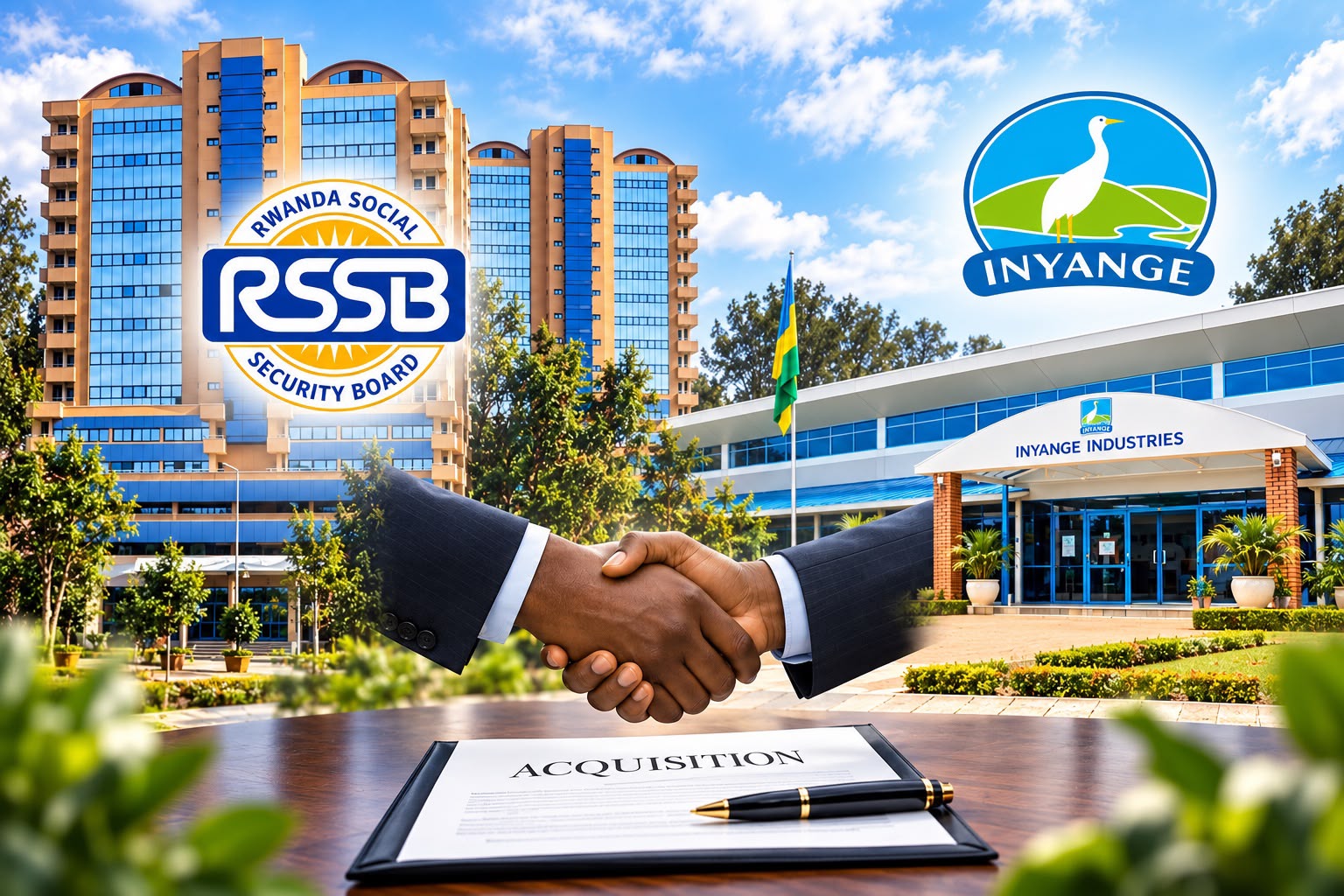
In a single transaction, General Paul Kagame and his ruling party, the Rwandan Patriotic Front (RPF), have secured a fortune of $60 million by selling Inyange Industries Ltd to Rwandan pensioners. Before diving into this massive $60 million windfall, it is essential to trace the history of Inyange Industries.
When Kagame and the RPF seized power in 1994, they quickly embarked on a strategy of utilizing state institutions to accumulate wealth—a textbook definition of state capture. State capture is a systemic form of political corruption where private interests, such as corporations, oligarchs, or powerful individuals, successfully manipulate a nation’s laws, policies, and public institutions to serve their own financial or ideological benefit.
In the Rwandan context, Kagame and the RPF established Tri-Star Investments Limited in 1995 as their primary investment vehicle. Inyange Industries Ltd was established in 1999 as a subsidiary of Tri-Star Investments Ltd. Subsequently, Tri-Star Investments Ltd officially rebranded as Crystal Ventures Ltd in 2009. Today, it operates as a massive private holding company with a monopolistic reach spanning engineering, construction, consumer goods, and security services
While Inyange Industries Ltd was established in 1999, it emerged as a dominant player in Rwanda’s economy in 2010. That was when Kagame launched Inyange’s high-tech processing plant in Masaka, just outside Kigali, at the time valued at $37 million. It was during this period that Kagame embraced state capture wholeheartedly. To build this $37 million facility, he tapped directly into Rwanda’s pension funds; specifically, 40% of the funding for Inyange Industries' processing plants was drawn from the national pension fund.
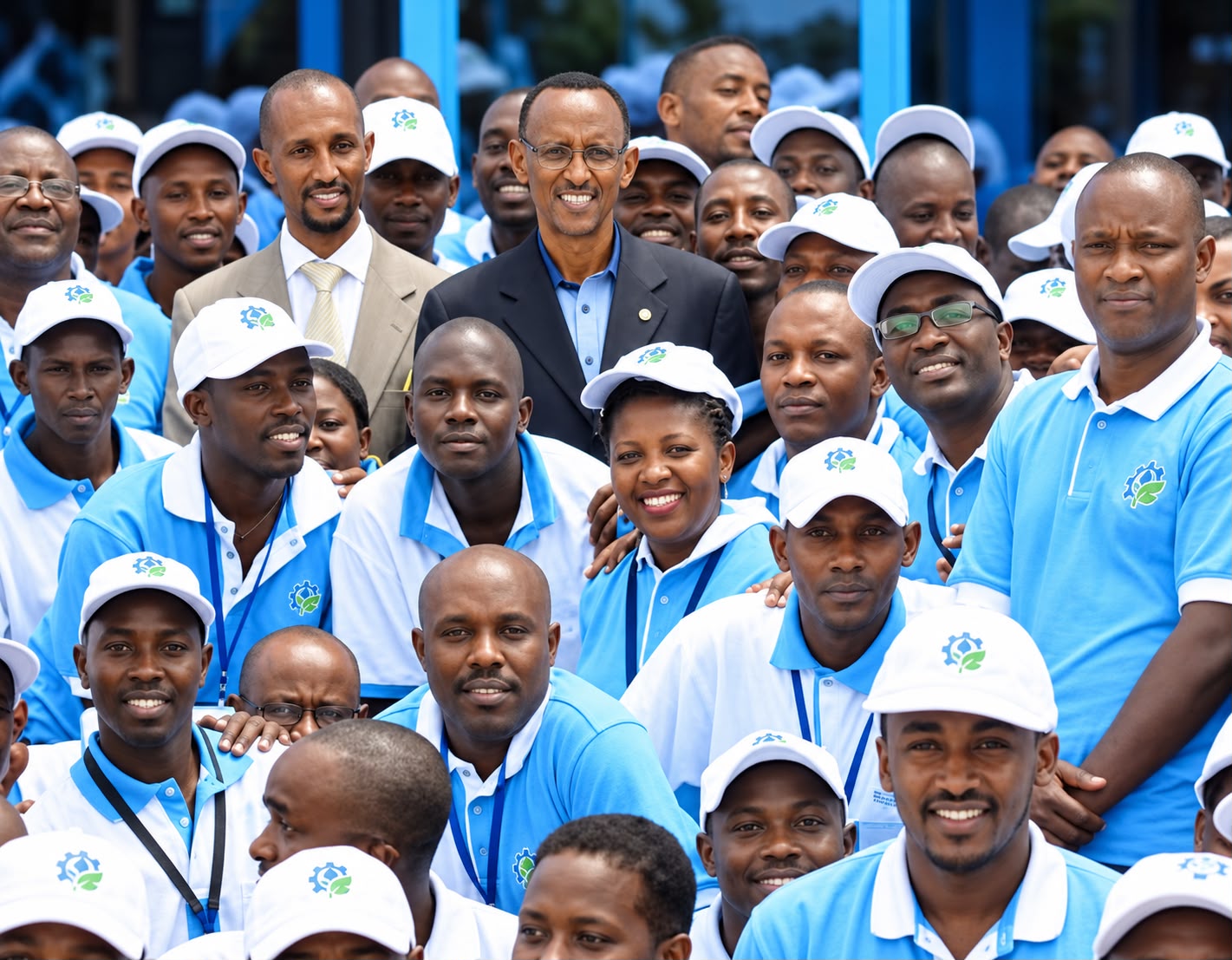
The next major expansion for Inyange Industries came in 2025 with the launch of its $54 million milk powder plant in the Nyagatare District of the Eastern Province. Boasting a combined investment of $100 million, Inyange Industries stands today as the largest enterprise in Rwanda by production capacity. Until recently, the Rwanda Social Security Board (RSSB) held a 40% stake (valued at $40 million) in the company. The remaining 60% stake ($60 million) was held by the ruling party’s business empire, Crystal Ventures Ltd
Fast forward to August 2026: the RSSB announced that it had acquired full ownership of Inyange Industries Ltd. This means the pension fund has absorbed the 60% share previously held by Crystal Ventures Ltd, paying out a massive sum to the ruling party's corporate arm.
By offloading Inyange Industries Ltd entirely onto Rwandan pensioners, Kagame and his ruling party have walked away with a clean $60 million fortune. However, critical questions remain: Why sell the company right now? Who conducted the asset valuation to ensure that the Rwandan pension fund was not being taken advantage of? Is the stability of the pension fund at risk after being forced to liquidate $60 million at the drop of a hat?
As we press for answers to these questions, it is worth noting that Inyange Industries was not an isolated deal. At the exact same time, the RSSB purchased another Crystal Ventures Ltd company: Ruliba Clays Ltd. We will shortly analyze the Ruliba Clays transaction—a company that was also initially funded by the pension pool to the tune of 50% before RSSB stepped in to become the sole owner. In short, Kagame and his ruling party are cashing in spectacularly, leaving public retirement funds holding all the risk.
No comments yet. Be the first to comment.