


Kagame’s Milk Monopoly: The Brutal Corporate Failure Behind Kigali's Empty Shelves
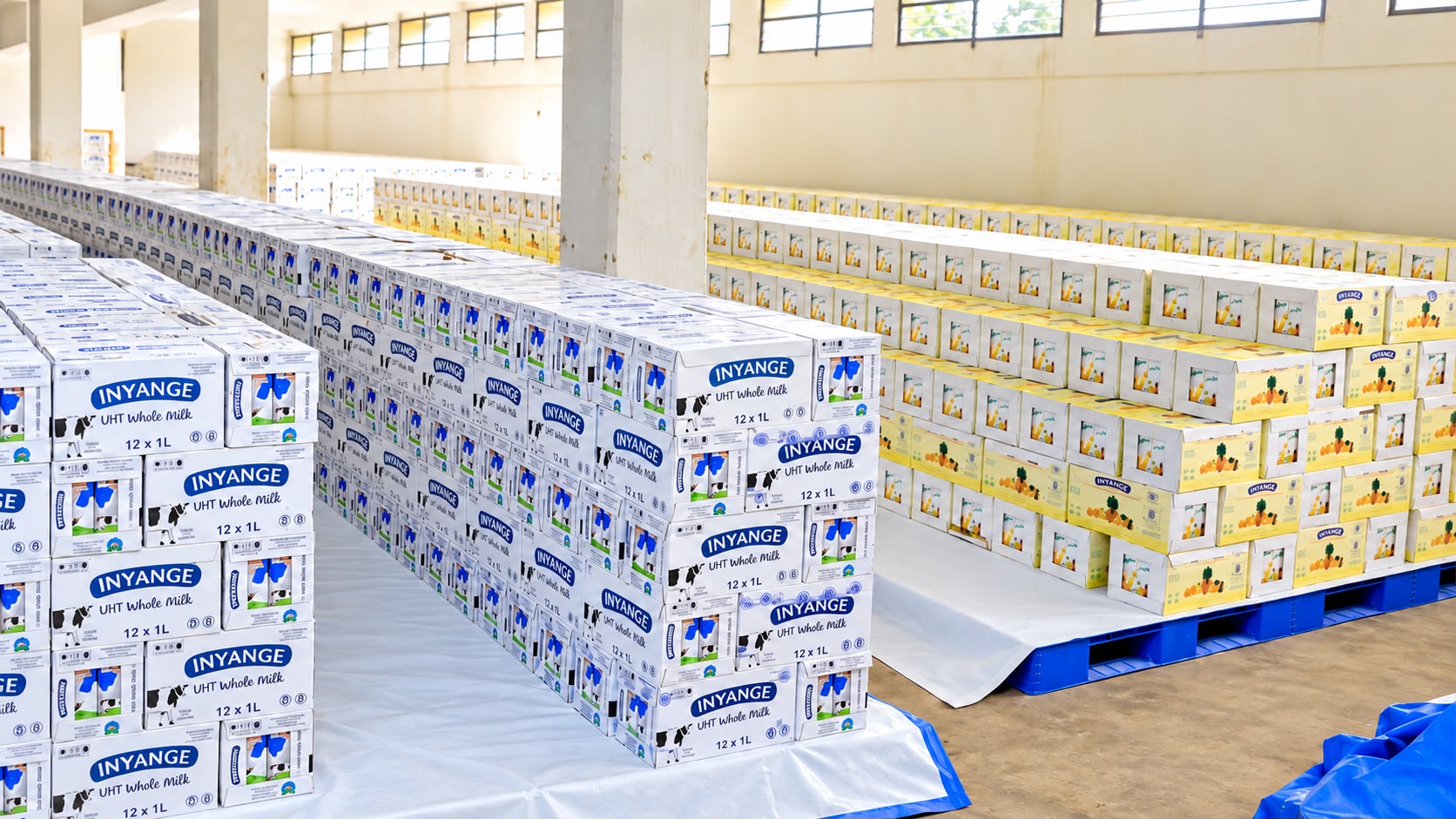
Kigali’s supermarkets are rationing milk to one 500ml packet per customer. The official narrative blames the dry spell. But weather is just a convenient scapegoat for a man-made disaster. The real reason Rwandan children don't have milk is far more calculated: the total monopolization and subsequent failure of the dairy sector by the ruling party’s corporate empire, Crystal Ventures Ltd (CVL), and its monolithic vehicle, Inyange Industries.
This isn’t a climate crisis. It is a corporate stranglehold gone wrong.
The Real-World Toll in Kigali
This systematic collapse has triggered a severe milk crisis gripping Rwanda’s capital. The impact on the daily lives of residents is immediate and devastating:
- Empty Shelves: Major supply checks across popular neighborhoods like Gishushu, Nyarutarama, and Gisimenti reveal that nearly all dedicated neighborhood milk shops have completely run out of stock.
- Strict Rationing: Major retailers, including Simba Supermarket, have resorted to strict rationing, limiting customers to just one 500ml packet of milk per visit.
- Price Gouging: Driven by panic, informal retail prices have skyrocketed. Local reports note that some informal vendors are charging up to RWF 20,000 ($14.50 USD) for a milk carton that officially retails for RWF 8,500 ($6.15 USD).
- Business Disruptions: The crisis has forced the closure of many of the city's iconic local milk bars, while heavily reduced supply volumes are squeezing the cafes, baristas, and small businesses that rely daily on pasteurized milk.
The Inyange Monopoly: A Manufactured Bottleneck
For years, the entire Rwandan milk supply chain was engineered to feed just one mouth: Inyange Industries. CVL built a system where independent processing was practically impossible. By holding an absolute monopoly on both fresh milk processing and powder milk imports, the regime ensured that if you drank milk in Rwanda, you paid the ruling party.
With an estimated valuation soaring into the multi-millions, Inyange has become an absolute corporate monster—the single largest company in Rwanda's agro-processing sector. But a supply chain with only one throat is easily choked. When the dry season hit, a decentralized, resilient market could have adapted. Instead, Rwanda’s highly centralized, fragile corporate pipeline collapsed. Because the regime systematically crushed any independent alternative, when Inyange dried up, the whole country went thirsty.
The Destruction of Dairy Cooperatives
How did they achieve this absolute control? By eliminating the backbone of rural farming: the independent dairy cooperatives.
Across Rwanda, local cooperatives used to allow farmers to pool resources, set fair prices, and supply local communities directly. The regime dismantled this grassroots network, replacing it with state-sanctioned collection centers forced to route everything to Inyange. By stripping farmers of their collective bargaining power, the ruling party turned independent producers into low-wage serfs for a corporate empire.
The Nyagatare Betrayal: A $54 Million Monument to Hubris
The absolute crowning jewel of this dairy dictatorship is the $54 million milk powder plant in Nyagatare, Eastern Province. The state propaganda machine heralded its launch as a milestone, bragging about its massive capacity to suck up 650,000 litres of raw milk every single day to churn out 41 tonnes of milk powder.
Look at the brutal irony: they built a high-tech fortress to monopolize powder milk, yet the capital city is facing severe milk rationing. They built a monster processing engine but starved it of fuel because they broke the backs of the people who actually produce the milk.
The Illusion of the "Sale"
Even as CVL recently claimed to "sell" its stake in Inyange by offloading shares to the Rwanda Social Security Board (RSSB), the structural damage was already done. Moving an asset from the ruling party's direct investment portfolio into the state-managed pension fund isn't a divestment—it's a financial shell game. The infrastructure remains weaponized, and the monopoly remains total. You cannot systematically dismantle a nation's independent farming ecosystem, hand it to a political conglomerate, and then act surprised when the elite-run monopoly fails to feed the public during a crisis.
Quiet Defiance: How Farmers are Fighting Back
The state mandated that all milk must flow straight into Inyange's massive collection funnel at fixed, depressed prices. But a machine that size requires absolute submission to function, and local dairy farmers are quietly pushing back.
Rather than handing over their hard-earned yields to state-sanctioned collection centers for pennies, a growing underground economy is taking root. Smallholders are actively bypassing the formal grid:
- The Black Market Bucket: Farmers are secretly distributing fresh, unpasteurized milk directly to local communities and small urban vendors at night, choosing fair, peer-to-peer cash over corporate exploitation.
- Fodder Striking: Extra-defiant herders are refusing to scale up operations to meet the Nyagatare plant's massive targets, choosing instead to keep their herds small, local, and completely off the corporate grid.
You can build a multi-million dollar processing plant, and you can call it the biggest company in the country. But if you treat your country's farmers like serfs, eventually the milk stops flowing. Kigali’s empty shelves aren't a climate issue—they are a corporate strike by a farming community that has simply had enough.


No comments yet. Be the first to comment.